


What to Eat for Dinner for Deep Sleep: 7 Tips to Fix Your Night Routine
Your dinner could be the reason you're still awake at midnight. That comfor...
21 Aug, 2026
Know More →
Your cart (0)
Your dinner could be the reason you're still awake at midnight. That comfor...
You probably yawn more around your partner without even realising it. Ever ...
You slept all night. So, why are you still sleepy at work? Even after 8 hou...
KEY INSIGHT:Breathing and relaxation techniques, including box breathing, c...
Furniture is always evolving to keep pace with the way we actually live. Fr...
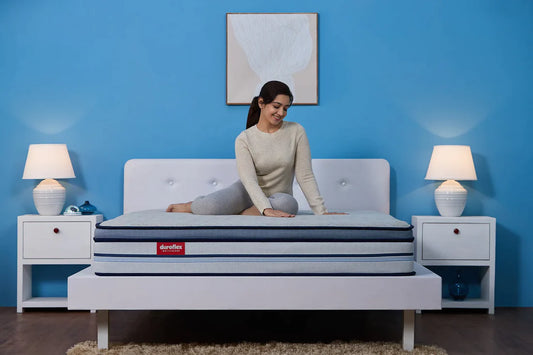
Having a good night's sleep is essential for overall well-being, and the bed mattress we sleep on plays a crucial role in ensuring we wake up refreshed and pain-free. As we age, we experience body aches, localised pain and discomfort in the joints and muscles. This is where an orthopaedic mattress makes a significant difference. Read this article to learn about the best orthopaedic mattress in India, their benefits and more. Best Duroflex Orthopaedic Mattresses in India When choosing an orthopaedic mattress, Duroflex invariably stands out for its quality and innovation. Known for its commitment to delivering exceptional comfort and support, Duroflex offers several orthopaedic mattress options for different needs and preferences. Let's take a closer look at some of the Duroflex best orthopaedic mattress brands in India: 1. Duroflex LiveIn Orthopaedic Memory Foam Mattress The Duroflex LiveIn Orthopaedic Memory Foam Mattress provide optimum comfort and support. It features high-density memory foam that fits your body's contours, relieving pressure points and promoting better sleep. The mattress has a breathable fabric cover to regulate temperature for a relaxed and comfortable sleep environment. Pros of LiveIn Orthopaedic Memory Foam Mattress Superior Pressure Relief: The memory foam material conforms to your body's contours, relieve pressure and reduces the risk of developing pressure points. Spinal Alignment: The mattress promotes proper spinal alignment, ensuring your spine is in a neutral position throughout the night. Motion Isolation: If you share your bed with a partner, you'll appreciate the motion isolation feature of this mattress. It minimises motion transfer and gives you undisturbed sleep. Cooling Technology: The mattress is infused with cooling gel particles to regulate body temperature and prevent overheating during sleep. Durability: Made with high-quality materials, this mattress is built to last with long-lasting comfort and support. 2. Duroflex Magic Orthopaedic Coir Mattress For those who prefer a firmer sleeping surface, the Duroflex Back Magic Orthopaedic Coir Mattress is an excellent choice. It combines the natural firmness of coir with the contouring support of memory foam. The mattress strengthens spinal alignment, alleviates back pain and provides a rejuvenating sleep experience. Pros of Back Magic Orthopaedic Coir Mattress Firm Support: The coir layer gives firm support to keep your spine aligned and alleviate back pain. Pressure Relief: The memory foam layer contours to your body, ease pressure points and enhances overall comfort. Breathable Design: The mattress has air vents to promote airflow and keep your body cool and comfortable throughout the night. Anti-Dust Mite: The mattress is treated with an anti-dust mite formula, suitable for those with allergies or respiratory issues. Natural Materials: The emanated coir from natural coconut fibres makes it an eco-friendly choice. 3. Duroflex Balance Orthopaedic Memory Foam Mattress The Duroflex Balance Orthopaedic Memory Foam Mattress offers the perfect balance of comfort and support. It features a combination of high-density memory foam and resilient coir for optimal pressure relief and spinal alignment. The mattress also comes with a premium quilted cover that adds an extra layer of plushness. Pros of Balance Orthopaedic Memory Foam Mattress Zoned Support: The mattress has distinct zones to provide targeted support to different areas of your body, ensuring proper spinal alignment. Pressure Relief: The memory foam layer contours your body, reducing pressure points and the risk of body aches and pains. Motion Isolation: The mattress absorbs motion, which is a fantastic choice for couples or restless sleepers. Hypoallergenic: The mattress is hypoallergenic and prevents the growth of allergens such as dust mites, mould and bacteria. Enhanced Durability: The mattress is made with high-density foam for long-lasting durability and support. 4. Duroflex Strength Memory Foam Coir Orthopaedic Mattress If you're looking for a durable and long-lasting orthopedic mattress, the Duroflex Strength Memory Foam Coir Orthopaedic Mattress is worth considering. It features a sturdy coir base topped with high-density memory foam for excellent support and resilience. The mattress withstands regular use and provides consistent comfort for years to come. Pros of Strength Memory Foam Coir Orthopaedic Mattress Dual Comfort: The mattress provides firm support from the coir layer and contour comfort from the memory foam layer. Breathable Design: The mattress air vent facilitates airflow to keep you cool and comfy. Eco-Friendly: The coir used in this mattress is derived from natural coconut fibers, making it an environmentally friendly choice. Long-Lasting Support: The high-density foam used in this mattress ensures lasting support and durability. 5. Duroflex Posture Perfect Pocket Spring Orthopaedic Mattress Combining the benefits of pocket springs and memory foam, the Duroflex Posture Perfect Pocket Spring best orthopaedic mattress in India delivers exceptional support and motion isolation. The individually encased pocket springs adapt to your body's movements, and the memory foam layer contours to your shape, relieving pressure points. This mattress is ideal for couples or individuals who prefer a medium-firm sleeping surface. Pros of Posture Perfect Pocket Spring Orthopaedic Mattress Individualised Support: The pocket springs in this mattress move independently to give targeted support to different areas of your body. Motion Isolation: The pocket springs absorb motion, minimizing disturbance from your partner's movements during sleep. Enhanced Airflow: The mattress's breathable fabric and air vents provide proper airflow and keep you cool. Durability: The pocket springs withstand regular use and maintain their shape and support over time. Edge Support: The mattress is reinforced with high-density foam around the edges to prevent sagging and enhance edge support. 6. Duroflex Posture Perfect Plus Orthopaedic Mattress The Duroflex Posture Perfect Plus Orthopaedic Mattress is designed for those who require extra support and firmness. It features a high-density coir layer combined with memory foam, ensuring excellent durability and spinal alignment. The mattress has an anti-microbial fabric cover to keep allergies at bay and promotes a healthy sleep environment. Pros of Posture Perfect Plus Orthopaedic Mattress Triple Comfort: The mattress offers triple comfort with the firm support of coir, the contouring comfort of memory foam and the luxurious feel of the euro top layer. Pressure Relief: The memory foam layer conforms to your body, lessens pressure points and reduces discomfort. Breathable Design: The mattress is designed with air vents and breathable fabric, ensuring optimal airflow and temperature regulation. Durability: The high-density foam gives long-lasting support and durability. Euro Top Layer: The plush euro top layer adds an extra layer of comfort and luxury to the mattress. Benefits of an Orthopaedic Mattress The following is a list of benefits you get from an orthopaedic mattress. Improved Sleep Quality. The primary benefit of an orthopedic mattress is its ability to provide a restful night's sleep. The specialised design and materials used in orthopedic mattress best mattress in India ensure proper anatomical support, reduce pressure points pain and promote better sleep posture. By aligning the spine correctly, an orthopedic mattress relieves tension and gives uninterrupted sleep, leading to improved sleep quality. Pain Relief. Orthopedic mattresses are known for their excellent pain-relieving properties. With their firmness and support, these mattresses can alleviate back, shoulder and joint pain. Unlike regular mattresses that exacerbate pain by sinking in or lacking support, the best orthopedic mattress in India distribute body weight evenly, reduce strain on pressure points and eases discomfort. Improved Posture. Maintaining a good posture while sleeping is essential for spinal health. An orthopedic mattress ensures proper spinal alignment, regardless of your sleeping position. The mattress supports the spine's natural curves, prevents slouching, and promotes healthy posture. It has long-term benefits for your overall musculoskeletal health. Durability. The mattresses are built to last. They are made from high-quality materials such as memory foam, innerspring coils, or the best latex orthopedic mattress in India and are known for their durability. Investing in an orthopedic mattress means you won't have to worry about sagging or deteriorating comfort over time. Suitable for Various Conditions. Orthopedic mattresses are beneficial not only for individuals with existing orthopedic conditions but also for those with back pain, arthritis, osteoporosis and other similar conditions. However, they are also a great choice for anyone looking to improve their sleep quality and overall spinal health. Who Can Benefit From Using an Orthopaedic Mattress? Orthopaedic mattresses are not limited to individuals with existing back or joint problems. The best orthopaedic mattress brand in India benefits different people: Back Pain Sufferers: Orthopaedic mattresses provide targeted support to the lower back, helping alleviate back pain and promoting proper spinal alignment. Side Sleepers: Side sleepers can benefit from the pressure-relieving properties of orthopaedic mattresses, which help prevent the development of pressure points on the hips and shoulders. Athletes and Active Individuals: Regular physical activity can put stress on the body. Orthopaedic mattresses offer the necessary support and recovery for athletes and active individuals. Individuals with Arthritis: The contouring properties of orthopaedic mattresses relieve pain and discomfort associated with arthritis. Pregnant Women: Orthopaedic mattresses provide the necessary support to alleviate the strain on the back and joints often experienced during pregnancy. Senior Citizens: Our bodies become more susceptible to aches and pains as we age. Orthopaedic mattresses provide seniors with the necessary support and comfort, promoting better sleep and overall well-being. People with Sleep Disorders: Orthopaedic mattresses help individuals with sleep disorders, such as sleep apnea or insomnia, by promoting proper sleep posture and comfort. Conclusion Investing in the best Duroflex orthopaedic mattress in India can be splendid for your sleep quality and overall health. Whether you suffer from back pain, joint discomfort or simply want to improve your sleep experience, an orthopaedic mattress provides the necessary support and comfort. Choose from the Duroflex Orthopaedic mattresses range mentioned above, considering your specific needs and preferences. Everyone's sleep requirements are distinctive, so take your sweet time to find the perfect mattress that suits you best. Say goodbye to sleepless nights and hello to a rejuvenating sleep experience with the Duroflex best orthopaedic mattress in India.
Having a good night's sleep is essential for overall well-being, and the bed mattress we sleep on plays a crucial role in ensuring we wake up refreshed and pain-free. As we age, we experience body aches, localised pain and discomfort in the joints and muscles. This is where an orthopaedic mattress makes a significant difference. Read this article to learn about the best orthopaedic mattress in India, their benefits and more. Best Duroflex Orthopaedic Mattresses in India When choosing an orthopaedic mattress, Duroflex invariably stands out for its quality and innovation. Known for its commitment to delivering exceptional comfort and support, Duroflex offers several orthopaedic mattress options for different needs and preferences. Let's take a closer look at some of the Duroflex best orthopaedic mattress brands in India: 1. Duroflex LiveIn Orthopaedic Memory Foam Mattress The Duroflex LiveIn Orthopaedic Memory Foam Mattress provide optimum comfort and support. It features high-density memory foam that fits your body's contours, relieving pressure points and promoting better sleep. The mattress has a breathable fabric cover to regulate temperature for a relaxed and comfortable sleep environment. Pros of LiveIn Orthopaedic Memory Foam Mattress Superior Pressure Relief: The memory foam material conforms to your body's contours, relieve pressure and reduces the risk of developing pressure points. Spinal Alignment: The mattress promotes proper spinal alignment, ensuring your spine is in a neutral position throughout the night. Motion Isolation: If you share your bed with a partner, you'll appreciate the motion isolation feature of this mattress. It minimises motion transfer and gives you undisturbed sleep. Cooling Technology: The mattress is infused with cooling gel particles to regulate body temperature and prevent overheating during sleep. Durability: Made with high-quality materials, this mattress is built to last with long-lasting comfort and support. 2. Duroflex Magic Orthopaedic Coir Mattress For those who prefer a firmer sleeping surface, the Duroflex Back Magic Orthopaedic Coir Mattress is an excellent choice. It combines the natural firmness of coir with the contouring support of memory foam. The mattress strengthens spinal alignment, alleviates back pain and provides a rejuvenating sleep experience. Pros of Back Magic Orthopaedic Coir Mattress Firm Support: The coir layer gives firm support to keep your spine aligned and alleviate back pain. Pressure Relief: The memory foam layer contours to your body, ease pressure points and enhances overall comfort. Breathable Design: The mattress has air vents to promote airflow and keep your body cool and comfortable throughout the night. Anti-Dust Mite: The mattress is treated with an anti-dust mite formula, suitable for those with allergies or respiratory issues. Natural Materials: The emanated coir from natural coconut fibres makes it an eco-friendly choice. 3. Duroflex Balance Orthopaedic Memory Foam Mattress The Duroflex Balance Orthopaedic Memory Foam Mattress offers the perfect balance of comfort and support. It features a combination of high-density memory foam and resilient coir for optimal pressure relief and spinal alignment. The mattress also comes with a premium quilted cover that adds an extra layer of plushness. Pros of Balance Orthopaedic Memory Foam Mattress Zoned Support: The mattress has distinct zones to provide targeted support to different areas of your body, ensuring proper spinal alignment. Pressure Relief: The memory foam layer contours your body, reducing pressure points and the risk of body aches and pains. Motion Isolation: The mattress absorbs motion, which is a fantastic choice for couples or restless sleepers. Hypoallergenic: The mattress is hypoallergenic and prevents the growth of allergens such as dust mites, mould and bacteria. Enhanced Durability: The mattress is made with high-density foam for long-lasting durability and support. 4. Duroflex Strength Memory Foam Coir Orthopaedic Mattress If you're looking for a durable and long-lasting orthopedic mattress, the Duroflex Strength Memory Foam Coir Orthopaedic Mattress is worth considering. It features a sturdy coir base topped with high-density memory foam for excellent support and resilience. The mattress withstands regular use and provides consistent comfort for years to come. Pros of Strength Memory Foam Coir Orthopaedic Mattress Dual Comfort: The mattress provides firm support from the coir layer and contour comfort from the memory foam layer. Breathable Design: The mattress air vent facilitates airflow to keep you cool and comfy. Eco-Friendly: The coir used in this mattress is derived from natural coconut fibers, making it an environmentally friendly choice. Long-Lasting Support: The high-density foam used in this mattress ensures lasting support and durability. 5. Duroflex Posture Perfect Pocket Spring Orthopaedic Mattress Combining the benefits of pocket springs and memory foam, the Duroflex Posture Perfect Pocket Spring best orthopaedic mattress in India delivers exceptional support and motion isolation. The individually encased pocket springs adapt to your body's movements, and the memory foam layer contours to your shape, relieving pressure points. This mattress is ideal for couples or individuals who prefer a medium-firm sleeping surface. Pros of Posture Perfect Pocket Spring Orthopaedic Mattress Individualised Support: The pocket springs in this mattress move independently to give targeted support to different areas of your body. Motion Isolation: The pocket springs absorb motion, minimizing disturbance from your partner's movements during sleep. Enhanced Airflow: The mattress's breathable fabric and air vents provide proper airflow and keep you cool. Durability: The pocket springs withstand regular use and maintain their shape and support over time. Edge Support: The mattress is reinforced with high-density foam around the edges to prevent sagging and enhance edge support. 6. Duroflex Posture Perfect Plus Orthopaedic Mattress The Duroflex Posture Perfect Plus Orthopaedic Mattress is designed for those who require extra support and firmness. It features a high-density coir layer combined with memory foam, ensuring excellent durability and spinal alignment. The mattress has an anti-microbial fabric cover to keep allergies at bay and promotes a healthy sleep environment. Pros of Posture Perfect Plus Orthopaedic Mattress Triple Comfort: The mattress offers triple comfort with the firm support of coir, the contouring comfort of memory foam and the luxurious feel of the euro top layer. Pressure Relief: The memory foam layer conforms to your body, lessens pressure points and reduces discomfort. Breathable Design: The mattress is designed with air vents and breathable fabric, ensuring optimal airflow and temperature regulation. Durability: The high-density foam gives long-lasting support and durability. Euro Top Layer: The plush euro top layer adds an extra layer of comfort and luxury to the mattress. Benefits of an Orthopaedic Mattress The following is a list of benefits you get from an orthopaedic mattress. Improved Sleep Quality. The primary benefit of an orthopedic mattress is its ability to provide a restful night's sleep. The specialised design and materials used in orthopedic mattress best mattress in India ensure proper anatomical support, reduce pressure points pain and promote better sleep posture. By aligning the spine correctly, an orthopedic mattress relieves tension and gives uninterrupted sleep, leading to improved sleep quality. Pain Relief. Orthopedic mattresses are known for their excellent pain-relieving properties. With their firmness and support, these mattresses can alleviate back, shoulder and joint pain. Unlike regular mattresses that exacerbate pain by sinking in or lacking support, the best orthopedic mattress in India distribute body weight evenly, reduce strain on pressure points and eases discomfort. Improved Posture. Maintaining a good posture while sleeping is essential for spinal health. An orthopedic mattress ensures proper spinal alignment, regardless of your sleeping position. The mattress supports the spine's natural curves, prevents slouching, and promotes healthy posture. It has long-term benefits for your overall musculoskeletal health. Durability. The mattresses are built to last. They are made from high-quality materials such as memory foam, innerspring coils, or the best latex orthopedic mattress in India and are known for their durability. Investing in an orthopedic mattress means you won't have to worry about sagging or deteriorating comfort over time. Suitable for Various Conditions. Orthopedic mattresses are beneficial not only for individuals with existing orthopedic conditions but also for those with back pain, arthritis, osteoporosis and other similar conditions. However, they are also a great choice for anyone looking to improve their sleep quality and overall spinal health. Who Can Benefit From Using an Orthopaedic Mattress? Orthopaedic mattresses are not limited to individuals with existing back or joint problems. The best orthopaedic mattress brand in India benefits different people: Back Pain Sufferers: Orthopaedic mattresses provide targeted support to the lower back, helping alleviate back pain and promoting proper spinal alignment. Side Sleepers: Side sleepers can benefit from the pressure-relieving properties of orthopaedic mattresses, which help prevent the development of pressure points on the hips and shoulders. Athletes and Active Individuals: Regular physical activity can put stress on the body. Orthopaedic mattresses offer the necessary support and recovery for athletes and active individuals. Individuals with Arthritis: The contouring properties of orthopaedic mattresses relieve pain and discomfort associated with arthritis. Pregnant Women: Orthopaedic mattresses provide the necessary support to alleviate the strain on the back and joints often experienced during pregnancy. Senior Citizens: Our bodies become more susceptible to aches and pains as we age. Orthopaedic mattresses provide seniors with the necessary support and comfort, promoting better sleep and overall well-being. People with Sleep Disorders: Orthopaedic mattresses help individuals with sleep disorders, such as sleep apnea or insomnia, by promoting proper sleep posture and comfort. Conclusion Investing in the best Duroflex orthopaedic mattress in India can be splendid for your sleep quality and overall health. Whether you suffer from back pain, joint discomfort or simply want to improve your sleep experience, an orthopaedic mattress provides the necessary support and comfort. Choose from the Duroflex Orthopaedic mattresses range mentioned above, considering your specific needs and preferences. Everyone's sleep requirements are distinctive, so take your sweet time to find the perfect mattress that suits you best. Say goodbye to sleepless nights and hello to a rejuvenating sleep experience with the Duroflex best orthopaedic mattress in India.

The Best Sofa colour Combination For Your Home Sofas are essential to the interior design part as they are the winners of furnishing comfort and style to any living space. They provide any home with a cozy, friendly atmosphere that welcomes visitors and members of the family. When placed in the ideal location, a sofa may serve as the room's main focal point. It can draw attention to itself and improve the visual appeal of the space. Any area may benefit from the individuality and charm that sofas bring. Finding one that complements your interior design aesthetic and general taste is simple because they are available in a broad variety of designs, materials, and couch sofa colour combinations. There are different factors to consider when opting for the best sofa combination colour, including the overall design or style of the room, the mood you want to produce, and your particular preferences. It should reflect your particular style and preferences while also fitting within the room's overall aesthetic. With so many options to choose from sofas, we are here to help you consider all of your best sofa colour combination ideas before making any final decision. Generally, people paint walls with natural colours to add an oomph factor for design in the living room and to jazz up the sweet home decoration but isn’t it what everyone differently is doing, aka mob intelligence? With Duroflex, be the one to bring the change all your visitors with a filmy set-up design in your living room with colourful trending sofa set colour combinations. 12 Best Sofa Colour Combinations that You Can Blindly Trust The Blissful Blue: The colour blue is the best at achieving a harmonious balance between vigor and enthusiasm. It complements many interior design styles and is ideal for all occasions. The fact that it comes in so many mind-blowing hues is also a plus. A blue sofa set colour combination may be paired with lighter tones of blue, as well as white, green, and yellow. The 2 colour sofa colour combination with Royal Blue and lighter tinges produces a welcoming space. You may pair a Blue colour lounge with a light-coloured floral print, or neon colour shade cushions to add a glitz. I mean, what’s not to love about Blue sofas for the living room in 2023? It’s always something new. Captivating Pink & Purple: This is one of the greatest sofa 2 colour combination choices available if you want a sofa colour design that will draw attention. Pink and Purple are complementary colours that work well together and may immediately exude style. Our best tip? Go for an understated design with soft fabric upholstery in hues of purple or pink- think velvet. This creates personality without being too loud for your personal space. Give the backdrop of charcoal gray or place a unique black-and-white rug in front of the focal point to finish off this sofa's colour design. Grey: Grey colour wooden sofa sets are relatively in demand. Whether you have bright colour walls or one in light hues – a grey colour sofa set looks good with all kinds of interiors. It looks just as beautiful in a living room as it does in a house or an office. A somber yet fashionable appeal is produced by the neutral hue. You may add some colour to it by adding vibrant pillows if it seems a little too plain. Forest Green and White: On the topic of a two-colour combination for sofa set for living room walls, earthy colours are clear winners. If you are planning a mural-style wall design for your living room, try using colours like forest green and white. Classic cream: Despite being the epitome of adaptability, earlier classic cream was not as in demand as one might expect. This is a wonderful base upon which to build since it is brilliantly neutral with warm undertones that call for richly patterned fabrics, vivid accessories, and reddish woods. Maintain a cooler colour scheme by pairing your cream colour sofa with greys or soft blues. The Dazzling Red: Red is an amazing mix of brightness and boldness, and it can effectively add charm to just any place. Red is the colour to use if you want to give your living area an eclectic feel. To add a Scandinavian feel to your Desi room, choose a red sofa set online. Your living room's red sofa may not be particularly energizing, yet it stimulates your subconscious mind to keep going. The Voguish Purple/Pink: A sofa set the colour in tones of Purple, Pink and everything in between aesthetics is really lovely in a modern living room. Create a gorgeous Pink & Purple couch colour scheme with White-hued cushion covers. If you love English hues, the best colour combination for sofa set with cushions and backdrops is the living room's pink shade. Orange: A joyous choice just making it into the top twelve most popular sofa colours for 2023. A spicy and warm orange colour Pudding sofa from Loaf brightens up a cabin or room, and is a deceptively versatile centerpiece, sitting comfortably with natural products and other warming accents similar to brass. Brown Shade: Staying with the more natural colour palette, brown is the most popular colour for sofas made up of leather. The range of brown hues includes anything from light tans to dark chocolates. The tanner can produce a variety of leather finishes to either emphasize the leather's inherent tonal and textural features or, on the other hand, emboss a consistent colour and grain for use in more contemporary designs. Either way, brown is the perfect colour for both classic vintage sofas or ultramodern, contemporary furniture. White Shade: A pristine white sofa looks like it has been lifted from the glossy magazine pages and invites a minimalist style scheme with a very sophisticated yet sparing use of intriguing accessories. Warmer colours are more forgiving and provide a neutral foundation for different layers of pastel blankets and pillows. Neutral Toned Sofas: Cream, magnolia, beige or white, and neutral colours have seen a comeback this year. If you're not yet ready to include vivid colours in your living area, keeping with a white-neutral theme will help to keep the environment calm. Sofas are also available in a wide variety of colours, including sand and coffee. This colour scheme is quite adaptable and is variously described as sand, mushroom, coffee, taupe, neutral, linen, beige, cream, and stone. It keeps the lighter-coloured natural and white background that serves as a neutral backdrop but also adds some warmth and tone. It gives you plenty of freedom when opting for accessories. Beige and Blue Sofa Cushion colour Combination: A beige and blue dual-colour combination of sofa set to produce a comforting and serene atmosphere in your room. While blue is renowned for its tranquil and relaxing qualities, beige is a neutral colour that gives any space a warm and welcoming atmosphere. To add a splash of colour and intrigue to a beige sofa, you may quickly add blue accent pillows. To enhance depth and perspective, use several blue hues. Another choice is to select a sofa with a beige and blue design. This may give the area a consistent and coherent appearance while also bringing texture and aesthetic value. Why colour Combinations are Important colours give your work the proper tone, temperature, and structure. The effect of the ideal two colour combination sofa is more profound and deeply touching to a sensitive spirit. I'd like to share with you a few imaginative creations, usually watercolour paintings, made by painters of the contemporary era that genuinely appreciate the power of form and colour. Therefore, picking the ideal couch colour scheme is crucial since it may make or break the living room's overall design. The colours you choose for a room help to generate harmony, an atmosphere, and specific feelings. Conclusion We are sure that the information provided here will help you choose the stylish sofa colour for your living room. While opting for the colour of your sofa, you must pay attention to the colours of your walls, flooring, and other cabinetwork pieces in your room. It ought to complement these components and improve the ambiance of your area. Prior to selecting your sofa, it is advised to take Vastu Shastra's interpretation of colour into account. You should think about the sofa set's design and quality in addition to the colour. You may choose the best sofa for your living room with the aid of all these considerations. FAQs What is the best colour for your sofa?There is no one "best" colour for a sofa or ideal colour scheme for a sofa set because it ultimately comes down to personal taste, the overall design, and the colour scheme of the space. However, certain neutral and latest sofa colour combinations for contemporary couch fabrics, such as beige and white, can be adaptable options since they go well with a variety of colour schemes and interior design aesthetics. What shades of couches are in style?Although sofa colour styles might change from year to year, some hues that are currently popular include natural-inspired colour schemes for wooden sofas, such as taupe, brown, beige, and olive green. Sapphire blue, emerald green and deep purple are other popular alternatives for adding a sense of drama and elegance to a living room. Bold, rich colours are also a popular choice. Grey, white, and black are timeless neutral colours that never go out of style and go with a range of decorating styles.
The Best Sofa colour Combination For Your Home Sofas are essential to the interior design part as they are the winners of furnishing comfort and style to any living space. They provide any home with a cozy, friendly atmosphere that welcomes visitors and members of the family. When placed in the ideal location, a sofa may serve as the room's main focal point. It can draw attention to itself and improve the visual appeal of the space. Any area may benefit from the individuality and charm that sofas bring. Finding one that complements your interior design aesthetic and general taste is simple because they are available in a broad variety of designs, materials, and couch sofa colour combinations. There are different factors to consider when opting for the best sofa combination colour, including the overall design or style of the room, the mood you want to produce, and your particular preferences. It should reflect your particular style and preferences while also fitting within the room's overall aesthetic. With so many options to choose from sofas, we are here to help you consider all of your best sofa colour combination ideas before making any final decision. Generally, people paint walls with natural colours to add an oomph factor for design in the living room and to jazz up the sweet home decoration but isn’t it what everyone differently is doing, aka mob intelligence? With Duroflex, be the one to bring the change all your visitors with a filmy set-up design in your living room with colourful trending sofa set colour combinations. 12 Best Sofa Colour Combinations that You Can Blindly Trust The Blissful Blue: The colour blue is the best at achieving a harmonious balance between vigor and enthusiasm. It complements many interior design styles and is ideal for all occasions. The fact that it comes in so many mind-blowing hues is also a plus. A blue sofa set colour combination may be paired with lighter tones of blue, as well as white, green, and yellow. The 2 colour sofa colour combination with Royal Blue and lighter tinges produces a welcoming space. You may pair a Blue colour lounge with a light-coloured floral print, or neon colour shade cushions to add a glitz. I mean, what’s not to love about Blue sofas for the living room in 2023? It’s always something new. Captivating Pink & Purple: This is one of the greatest sofa 2 colour combination choices available if you want a sofa colour design that will draw attention. Pink and Purple are complementary colours that work well together and may immediately exude style. Our best tip? Go for an understated design with soft fabric upholstery in hues of purple or pink- think velvet. This creates personality without being too loud for your personal space. Give the backdrop of charcoal gray or place a unique black-and-white rug in front of the focal point to finish off this sofa's colour design. Grey: Grey colour wooden sofa sets are relatively in demand. Whether you have bright colour walls or one in light hues – a grey colour sofa set looks good with all kinds of interiors. It looks just as beautiful in a living room as it does in a house or an office. A somber yet fashionable appeal is produced by the neutral hue. You may add some colour to it by adding vibrant pillows if it seems a little too plain. Forest Green and White: On the topic of a two-colour combination for sofa set for living room walls, earthy colours are clear winners. If you are planning a mural-style wall design for your living room, try using colours like forest green and white. Classic cream: Despite being the epitome of adaptability, earlier classic cream was not as in demand as one might expect. This is a wonderful base upon which to build since it is brilliantly neutral with warm undertones that call for richly patterned fabrics, vivid accessories, and reddish woods. Maintain a cooler colour scheme by pairing your cream colour sofa with greys or soft blues. The Dazzling Red: Red is an amazing mix of brightness and boldness, and it can effectively add charm to just any place. Red is the colour to use if you want to give your living area an eclectic feel. To add a Scandinavian feel to your Desi room, choose a red sofa set online. Your living room's red sofa may not be particularly energizing, yet it stimulates your subconscious mind to keep going. The Voguish Purple/Pink: A sofa set the colour in tones of Purple, Pink and everything in between aesthetics is really lovely in a modern living room. Create a gorgeous Pink & Purple couch colour scheme with White-hued cushion covers. If you love English hues, the best colour combination for sofa set with cushions and backdrops is the living room's pink shade. Orange: A joyous choice just making it into the top twelve most popular sofa colours for 2023. A spicy and warm orange colour Pudding sofa from Loaf brightens up a cabin or room, and is a deceptively versatile centerpiece, sitting comfortably with natural products and other warming accents similar to brass. Brown Shade: Staying with the more natural colour palette, brown is the most popular colour for sofas made up of leather. The range of brown hues includes anything from light tans to dark chocolates. The tanner can produce a variety of leather finishes to either emphasize the leather's inherent tonal and textural features or, on the other hand, emboss a consistent colour and grain for use in more contemporary designs. Either way, brown is the perfect colour for both classic vintage sofas or ultramodern, contemporary furniture. White Shade: A pristine white sofa looks like it has been lifted from the glossy magazine pages and invites a minimalist style scheme with a very sophisticated yet sparing use of intriguing accessories. Warmer colours are more forgiving and provide a neutral foundation for different layers of pastel blankets and pillows. Neutral Toned Sofas: Cream, magnolia, beige or white, and neutral colours have seen a comeback this year. If you're not yet ready to include vivid colours in your living area, keeping with a white-neutral theme will help to keep the environment calm. Sofas are also available in a wide variety of colours, including sand and coffee. This colour scheme is quite adaptable and is variously described as sand, mushroom, coffee, taupe, neutral, linen, beige, cream, and stone. It keeps the lighter-coloured natural and white background that serves as a neutral backdrop but also adds some warmth and tone. It gives you plenty of freedom when opting for accessories. Beige and Blue Sofa Cushion colour Combination: A beige and blue dual-colour combination of sofa set to produce a comforting and serene atmosphere in your room. While blue is renowned for its tranquil and relaxing qualities, beige is a neutral colour that gives any space a warm and welcoming atmosphere. To add a splash of colour and intrigue to a beige sofa, you may quickly add blue accent pillows. To enhance depth and perspective, use several blue hues. Another choice is to select a sofa with a beige and blue design. This may give the area a consistent and coherent appearance while also bringing texture and aesthetic value. Why colour Combinations are Important colours give your work the proper tone, temperature, and structure. The effect of the ideal two colour combination sofa is more profound and deeply touching to a sensitive spirit. I'd like to share with you a few imaginative creations, usually watercolour paintings, made by painters of the contemporary era that genuinely appreciate the power of form and colour. Therefore, picking the ideal couch colour scheme is crucial since it may make or break the living room's overall design. The colours you choose for a room help to generate harmony, an atmosphere, and specific feelings. Conclusion We are sure that the information provided here will help you choose the stylish sofa colour for your living room. While opting for the colour of your sofa, you must pay attention to the colours of your walls, flooring, and other cabinetwork pieces in your room. It ought to complement these components and improve the ambiance of your area. Prior to selecting your sofa, it is advised to take Vastu Shastra's interpretation of colour into account. You should think about the sofa set's design and quality in addition to the colour. You may choose the best sofa for your living room with the aid of all these considerations. FAQs What is the best colour for your sofa?There is no one "best" colour for a sofa or ideal colour scheme for a sofa set because it ultimately comes down to personal taste, the overall design, and the colour scheme of the space. However, certain neutral and latest sofa colour combinations for contemporary couch fabrics, such as beige and white, can be adaptable options since they go well with a variety of colour schemes and interior design aesthetics. What shades of couches are in style?Although sofa colour styles might change from year to year, some hues that are currently popular include natural-inspired colour schemes for wooden sofas, such as taupe, brown, beige, and olive green. Sapphire blue, emerald green and deep purple are other popular alternatives for adding a sense of drama and elegance to a living room. Bold, rich colours are also a popular choice. Grey, white, and black are timeless neutral colours that never go out of style and go with a range of decorating styles.

Choosing the right sofa size for your home can be daunting, as there are numerous factors to consider. Factors such as the room's dimensions, the number of people you want to accommodate, and your personal style preferences can all play a role in determining the best sofa size for your needs. Understanding sofa dimensions and standard sofa sizes can help you decide when selecting a new sofa. Furthermore, selecting the appropriate sofa size can significantly impact your overall comfort and relaxation in your home, making it a critical consideration for individuals seeking to create a functional and inviting living space. This blog post will explore picking the right sofa size for your home. What is a Sofa? A sofa is not just a piece of furniture but a centrepiece of your living space. It is a perfect blend of style, comfort, and elegance. The standard sofa dimensions vary from style to style, and there are many factors to consider when selecting the perfect sofa size. From sofa dimensions in cm, feet, and mm, to sofa size in inches, it's essential to know the right size to fit your room perfectly. You can measure the standard sofa height, length, and depth to determine what size will work best for you. With its inviting cushions and cosy backrests, a sofa provides a comfortable space for relaxing, socialising, and entertaining. Different Types of Sofas and Their Dimensions Are you looking to buy a new sofa but feeling overwhelmed by the available types and sizes? We've got you covered. Let's explore the different sofa dimensions and types so you can choose the perfect one for your home. Standard SofaThe standard sofa is the most common type, featuring two or three cushions and a straight back. The average sofa size is 78 inches in length, 34 inches in height, and 35 inches in depth. LoveseatA loveseat is a smaller sofa that typically seats two people, and it's excellent for small spaces or as an addition to a larger sofa. The normal sofa size of loveseats is usually around 60 inches in length, 34 inches in height, and 35 inches in depth. Sectional SofaA sectional sofa comprises multiple pieces that can be arranged in different configurations. They're perfect for larger spaces and can be customised to fit your needs. Sectional sofas can range from 86 inches to 140 inches in length, depending on the configuration. Chaise LoungeA chaise lounge is a long, upholstered chair perfect for relaxing, and it features a backrest at one end and a footrest at the other. Chaise lounges can range from 64 to 84 inches in length and are typically 35 inches in height and 35 inches in depth. Sleeper SofaA sleeper sofa is an excellent option if you need an extra bed for guests. They feature a pull-out mattress and can be found in various sizes. Sleeper sofas can range from 72 inches to 96 inches in length, typically 35 inches in height and 35 inches in depth. SetteeA settee is a smaller sofa that typically seats two people, and it's ideal for small spaces or as an addition to a larger sofa. Settees can range from 48 to 72 inches in length and are typically 34 inches in height and 35 inches in depth. L-shaped SofasL-shaped sofas are popular for those looking to maximise seating in their living space. The standard size of an L-shaped sofa is around 84 inches on each side, with a depth of 30-40 inches and a height of 30-36 inches. However, these dimensions may vary depending on the specific design and brand of the sofa. Reclining SofaA reclining sofa features a mechanism allowing you to recline and extend the backrest. They're ideal for relaxing and can be found in various sizes. Reclining sofas can range from 72 inches to 96 inches in length, typically 38 inches in height and 38 inches in depth. Many different types of sofas are available, each with unique dimensions and characteristics. You can select the perfect sofa for your space by considering factors such as sofa length, seat size, and depth. Which Sofa is Best for Your Home? Choosing the best sofa for your home can be fun and exciting, and the right sofa can tie together your living room and become the space's focal point. While there are several factors to consider, the size and dimensions of the sofa are crucial for both comfort and style. If you have a larger living room, a standard sofa size of 78 inches in length, 34 inches in height, and 35 inches in depth can provide ample seating space for your family and guests. However, a loveseat or settee can provide a cosy and intimate seating option if you have a smaller space. It's important to consider the sofa width, height, seat size, and depth to ensure a comfortable fit. A deeper seat may be perfect for lounging and relaxing, but a shallower seat can provide better back support. The standard sofa depth is around 35 inches, but if you're looking for a luxurious and spacious option, a sectional or chaise lounge can provide plenty of room for stretching out. Ultimately, the best sofa for your home meets your unique needs and complements your style. Take the time to explore different sizes, styles, and materials to find the perfect sofa for your space. Conclusion Choosing the right sofa size for your home is crucial for creating a comfortable and stylish living space. By considering the size and dimensions of your room, as well as your personal preferences and lifestyle, you can find a sofa that perfectly fits your needs. Remember to measure your space carefully and consider factors such as sofa width, height, seat size, and depth. Whether you opt for a standard sofa, a sectional, a loveseat, or a settee, the right sofa can transform your living room into a cosy and inviting space. So, take the time to explore different options and find the ideal sofa for your home, and enjoy relaxing in style for years to come.
Choosing the right sofa size for your home can be daunting, as there are numerous factors to consider. Factors such as the room's dimensions, the number of people you want to accommodate, and your personal style preferences can all play a role in determining the best sofa size for your needs. Understanding sofa dimensions and standard sofa sizes can help you decide when selecting a new sofa. Furthermore, selecting the appropriate sofa size can significantly impact your overall comfort and relaxation in your home, making it a critical consideration for individuals seeking to create a functional and inviting living space. This blog post will explore picking the right sofa size for your home. What is a Sofa? A sofa is not just a piece of furniture but a centrepiece of your living space. It is a perfect blend of style, comfort, and elegance. The standard sofa dimensions vary from style to style, and there are many factors to consider when selecting the perfect sofa size. From sofa dimensions in cm, feet, and mm, to sofa size in inches, it's essential to know the right size to fit your room perfectly. You can measure the standard sofa height, length, and depth to determine what size will work best for you. With its inviting cushions and cosy backrests, a sofa provides a comfortable space for relaxing, socialising, and entertaining. Different Types of Sofas and Their Dimensions Are you looking to buy a new sofa but feeling overwhelmed by the available types and sizes? We've got you covered. Let's explore the different sofa dimensions and types so you can choose the perfect one for your home. Standard SofaThe standard sofa is the most common type, featuring two or three cushions and a straight back. The average sofa size is 78 inches in length, 34 inches in height, and 35 inches in depth. LoveseatA loveseat is a smaller sofa that typically seats two people, and it's excellent for small spaces or as an addition to a larger sofa. The normal sofa size of loveseats is usually around 60 inches in length, 34 inches in height, and 35 inches in depth. Sectional SofaA sectional sofa comprises multiple pieces that can be arranged in different configurations. They're perfect for larger spaces and can be customised to fit your needs. Sectional sofas can range from 86 inches to 140 inches in length, depending on the configuration. Chaise LoungeA chaise lounge is a long, upholstered chair perfect for relaxing, and it features a backrest at one end and a footrest at the other. Chaise lounges can range from 64 to 84 inches in length and are typically 35 inches in height and 35 inches in depth. Sleeper SofaA sleeper sofa is an excellent option if you need an extra bed for guests. They feature a pull-out mattress and can be found in various sizes. Sleeper sofas can range from 72 inches to 96 inches in length, typically 35 inches in height and 35 inches in depth. SetteeA settee is a smaller sofa that typically seats two people, and it's ideal for small spaces or as an addition to a larger sofa. Settees can range from 48 to 72 inches in length and are typically 34 inches in height and 35 inches in depth. L-shaped SofasL-shaped sofas are popular for those looking to maximise seating in their living space. The standard size of an L-shaped sofa is around 84 inches on each side, with a depth of 30-40 inches and a height of 30-36 inches. However, these dimensions may vary depending on the specific design and brand of the sofa. Reclining SofaA reclining sofa features a mechanism allowing you to recline and extend the backrest. They're ideal for relaxing and can be found in various sizes. Reclining sofas can range from 72 inches to 96 inches in length, typically 38 inches in height and 38 inches in depth. Many different types of sofas are available, each with unique dimensions and characteristics. You can select the perfect sofa for your space by considering factors such as sofa length, seat size, and depth. Which Sofa is Best for Your Home? Choosing the best sofa for your home can be fun and exciting, and the right sofa can tie together your living room and become the space's focal point. While there are several factors to consider, the size and dimensions of the sofa are crucial for both comfort and style. If you have a larger living room, a standard sofa size of 78 inches in length, 34 inches in height, and 35 inches in depth can provide ample seating space for your family and guests. However, a loveseat or settee can provide a cosy and intimate seating option if you have a smaller space. It's important to consider the sofa width, height, seat size, and depth to ensure a comfortable fit. A deeper seat may be perfect for lounging and relaxing, but a shallower seat can provide better back support. The standard sofa depth is around 35 inches, but if you're looking for a luxurious and spacious option, a sectional or chaise lounge can provide plenty of room for stretching out. Ultimately, the best sofa for your home meets your unique needs and complements your style. Take the time to explore different sizes, styles, and materials to find the perfect sofa for your space. Conclusion Choosing the right sofa size for your home is crucial for creating a comfortable and stylish living space. By considering the size and dimensions of your room, as well as your personal preferences and lifestyle, you can find a sofa that perfectly fits your needs. Remember to measure your space carefully and consider factors such as sofa width, height, seat size, and depth. Whether you opt for a standard sofa, a sectional, a loveseat, or a settee, the right sofa can transform your living room into a cosy and inviting space. So, take the time to explore different options and find the ideal sofa for your home, and enjoy relaxing in style for years to come.

A good night's sleep is vital for overall health and well-being, and choosing the right mattress is essential for your well-being. With so many mattress types available in the market today, deciding which one to choose can be overwhelming. Understanding the pros and cons of each mattress type can help you make an informed decision that suits your specific needs and preferences. While a mattress is essential, opting for good quality is also essential. A high-quality mattress provides better comfort and support, alleviates chronic pain, and prevents sleep disturbances. In this blog, we'll discuss the pros and cons of various mattress types and emphasize the importance of investing in a good-quality mattress. Different Types of Mattress Explained Mattresses are essential in our daily life, and choosing the right type of mattress is crucial. So, let's dive in by understanding the different types of mattresses available in the market: Foam MattressesFoam mattresses are made of different types of mattress material, such as memory foam, latex foam, and polyurethane foam. They are known for their comfort and pressure-relieving features. Innerspring MattressesThese are the most common type of mattresses, and they have a steel coil support system and a layer of padding on top. They are affordable, widely available, and come in various firmness levels Hybrid MattressesHybrid mattresses combine the benefits of foam and innerspring mattresses. They have a coil support system with layers of foam on top, and they are known for their comfort, support, and durability. Gel Grid MattressesGel Grid mattresses are a new type of mattress that uses a layer of gel-infused foam on top of a grid of support coils. They are designed to provide excellent pressure relief and support and are suitable for people with back pain and other conditions. When it comes to selecting the best type of mattress for a good night's sleep, it ultimately comes down to your personal preference. However, it's essential to consider factors such as mattress types and prices, mattress variety, and the most comfortable mattress type. By understanding the mattress types and benefits, you can make an informed decision and invest in a high-quality mattress that will provide years of restful sleep. Advantages and Disadvantages of Mattresses Mattresses come in various types and materials, each with advantages and disadvantages. Let's explore the pros and cons of four different bed mattress types: 1. Foam Mattresses Advantages: Foam mattresses provide excellent pressure relief, making them ideal for people with chronic pain. They are also hypoallergenic, making them a good choice for people with allergies. They are available in various densities and firmness levels, providing many options. Disadvantages: Foam mattresses tend to retain heat, which can be uncomfortable for some users. They also have a sinking feeling that some people may find unpleasant. 2. Innerspring Mattresses Advantages: Innerspring mattresses are known for their affordability and durability. They offer excellent support for people with back pain and are available in a wide range of firmness levels. Disadvantages: Innerspring mattresses can be noisy when you shift positions and may not provide adequate pressure relief for some people. They also tend to have a shorter lifespan compared to other mattress types. 3. Hybrid Mattresses Advantages: Hybrid mattresses combine the best of both worlds, providing foam mattresses comfort and pressure relief with the support of innerspring mattresses. They are available in a variety of firmness levels and offer excellent durability. Disadvantages: Hybrid mattresses tend to be more expensive than other mattress types. They also retain heat and may not support people with chronic pain adequately. 4. Gel Grid Mattresses Advantages: Gel Grid mattresses are a new type of mattress that provides excellent pressure relief and support. They are highly customizable, allowing users to adjust the firmness level. Gel Grid mattresses also tend to retain less heat than other mattress types. Disadvantages: Gel Grid mattresses are more expensive than other mattress types. They also have a unique feel that some people may not find comfortable. Choosing the right mattress type can significantly affect the quality of your sleep. It's important to consider the variety of mattress options available and to weigh the pros and cons of each before making a decision. Whether you prefer foam, innerspring, hybrid, or gel grid mattresses, choose a high-quality mattress that meets your needs and preferences. How to Choose the Perfect Mattress for Your Bedroom? Choosing the perfect mattress for your bedroom is crucial to ensuring a good night's sleep. When considering which mattress material types to choose from, it's important to remember that the best mattress type for good sleep varies depending on each individual's specific needs and preferences. For instance, foam mattresses are great for people with chronic pain, providing excellent pressure relief. Innerspring mattresses are known for their affordability and durability, making them a good choice for budget-conscious shoppers. Hybrid mattresses combine the benefits of foam and innerspring mattresses, offering a comfortable sleep experience with excellent support. Gel Grid mattresses are a newer type of mattress that provides customised support and pressure relief. Age can also play a role in mattress selection, with firmer mattresses being recommended for older individuals to help prevent back pain. Ultimately, the best way to choose the perfect mattress for your bedroom is to consider your personal preferences, sleep position, and any physical conditions and try out different mattress types in person to see what feels most suitable for you. Conclusion Choosing the perfect mattress is essential to unlocking the door to a refreshing and revitalising sleep. The four standard types of mattresses we explored- foam, innerspring, hybrid, and gel grid- all have unique pros and cons. So, it's essential to evaluate your needs carefully before choosing. Whether you prioritise customising, pressure relief, or support, there is a mattress out there that will cater to your needs. Ultimately, investing in a top-quality mattress that provides the comfort and support you require can make a world of difference in your quest for a peaceful night's rest.
A good night's sleep is vital for overall health and well-being, and choosing the right mattress is essential for your well-being. With so many mattress types available in the market today, deciding which one to choose can be overwhelming. Understanding the pros and cons of each mattress type can help you make an informed decision that suits your specific needs and preferences. While a mattress is essential, opting for good quality is also essential. A high-quality mattress provides better comfort and support, alleviates chronic pain, and prevents sleep disturbances. In this blog, we'll discuss the pros and cons of various mattress types and emphasize the importance of investing in a good-quality mattress. Different Types of Mattress Explained Mattresses are essential in our daily life, and choosing the right type of mattress is crucial. So, let's dive in by understanding the different types of mattresses available in the market: Foam MattressesFoam mattresses are made of different types of mattress material, such as memory foam, latex foam, and polyurethane foam. They are known for their comfort and pressure-relieving features. Innerspring MattressesThese are the most common type of mattresses, and they have a steel coil support system and a layer of padding on top. They are affordable, widely available, and come in various firmness levels Hybrid MattressesHybrid mattresses combine the benefits of foam and innerspring mattresses. They have a coil support system with layers of foam on top, and they are known for their comfort, support, and durability. Gel Grid MattressesGel Grid mattresses are a new type of mattress that uses a layer of gel-infused foam on top of a grid of support coils. They are designed to provide excellent pressure relief and support and are suitable for people with back pain and other conditions. When it comes to selecting the best type of mattress for a good night's sleep, it ultimately comes down to your personal preference. However, it's essential to consider factors such as mattress types and prices, mattress variety, and the most comfortable mattress type. By understanding the mattress types and benefits, you can make an informed decision and invest in a high-quality mattress that will provide years of restful sleep. Advantages and Disadvantages of Mattresses Mattresses come in various types and materials, each with advantages and disadvantages. Let's explore the pros and cons of four different bed mattress types: 1. Foam Mattresses Advantages: Foam mattresses provide excellent pressure relief, making them ideal for people with chronic pain. They are also hypoallergenic, making them a good choice for people with allergies. They are available in various densities and firmness levels, providing many options. Disadvantages: Foam mattresses tend to retain heat, which can be uncomfortable for some users. They also have a sinking feeling that some people may find unpleasant. 2. Innerspring Mattresses Advantages: Innerspring mattresses are known for their affordability and durability. They offer excellent support for people with back pain and are available in a wide range of firmness levels. Disadvantages: Innerspring mattresses can be noisy when you shift positions and may not provide adequate pressure relief for some people. They also tend to have a shorter lifespan compared to other mattress types. 3. Hybrid Mattresses Advantages: Hybrid mattresses combine the best of both worlds, providing foam mattresses comfort and pressure relief with the support of innerspring mattresses. They are available in a variety of firmness levels and offer excellent durability. Disadvantages: Hybrid mattresses tend to be more expensive than other mattress types. They also retain heat and may not support people with chronic pain adequately. 4. Gel Grid Mattresses Advantages: Gel Grid mattresses are a new type of mattress that provides excellent pressure relief and support. They are highly customizable, allowing users to adjust the firmness level. Gel Grid mattresses also tend to retain less heat than other mattress types. Disadvantages: Gel Grid mattresses are more expensive than other mattress types. They also have a unique feel that some people may not find comfortable. Choosing the right mattress type can significantly affect the quality of your sleep. It's important to consider the variety of mattress options available and to weigh the pros and cons of each before making a decision. Whether you prefer foam, innerspring, hybrid, or gel grid mattresses, choose a high-quality mattress that meets your needs and preferences. How to Choose the Perfect Mattress for Your Bedroom? Choosing the perfect mattress for your bedroom is crucial to ensuring a good night's sleep. When considering which mattress material types to choose from, it's important to remember that the best mattress type for good sleep varies depending on each individual's specific needs and preferences. For instance, foam mattresses are great for people with chronic pain, providing excellent pressure relief. Innerspring mattresses are known for their affordability and durability, making them a good choice for budget-conscious shoppers. Hybrid mattresses combine the benefits of foam and innerspring mattresses, offering a comfortable sleep experience with excellent support. Gel Grid mattresses are a newer type of mattress that provides customised support and pressure relief. Age can also play a role in mattress selection, with firmer mattresses being recommended for older individuals to help prevent back pain. Ultimately, the best way to choose the perfect mattress for your bedroom is to consider your personal preferences, sleep position, and any physical conditions and try out different mattress types in person to see what feels most suitable for you. Conclusion Choosing the perfect mattress is essential to unlocking the door to a refreshing and revitalising sleep. The four standard types of mattresses we explored- foam, innerspring, hybrid, and gel grid- all have unique pros and cons. So, it's essential to evaluate your needs carefully before choosing. Whether you prioritise customising, pressure relief, or support, there is a mattress out there that will cater to your needs. Ultimately, investing in a top-quality mattress that provides the comfort and support you require can make a world of difference in your quest for a peaceful night's rest.

What Is a Comforter? Everything You Need to Know A new comforter might be what you need if you're having difficulties sleeping cool at night or feel burdened by all your bedding. Choosing the ideal comforter for winter can occasionally seem like a difficult chore because so many alternatives are available. How can we choose the best comforter for us when there are many different types, fills, thread counts, coverings, and weights? We have covered every aspect of comforters in this article, from "what is a comforter" to "what is a comforter used for" and factors to consider while choosing one. To choose which kind of comforter or comforter set is best for you, read the entire article. What Is a Bed Comforter? A comforter is a plush, heavy, decorative blanket you use as your bed's top cover. They can be covered with flat sheets or additional thin blankets. Often, comforters are placed on top of a flat blanket or sheet. They are available in many different styles and are frequently included in bedding sets. Comforters are commonly filled with synthetic fibres like polyester or cotton blends to ensure the filling is stable, spread evenly, and then quilted or sewn in a pattern. They often have smooth, soft exterior shells made of breathable material. With other coordinating items like sheets and pillow shams that are all made for the same bed size, comforters are generally marketed in bedding sets or bed-in-a-bag sets. Comforters are a simple way to add warmth and style to create the perfect bedroom. When used with a top sheet, they don't need to be washed as frequently as a duvet cover. It's crucial to read the manufacturer's instructions because the care requirements differ greatly based on the materials. Typically, they are simple to wash and tumble-dried on a low setting or hung up to dry. What to Consider When Buying a Comforter? There are a few factors to take into account while choosing the ideal comforter that can significantly impact how well you sleep. Let's look at some things to bear in mind:1. Material Aspects: The kind of material utilised to construct the comforter should be taken into account first. The insulation contained in a comforter's fill material significantly impacts its general quality and performance. To stay warm and snug all night, you need a soft and breathable fabric. Wool, cotton, Eucalyptus, and down are common fillings for comforters, each with special qualities and advantages. The waterfowl's body is insulated by a down comforter, which is a soft, fluffy underlayer of feathers. Comforters made of eucalyptus-derived lyocell or rayon give a soft, down-like texture. The fill effectively regulates temperature by wicking away heat and moisture. Comforters with cotton filling are often plush, airy, and breathable. Like a thick blanket, comforters filled with wool tend to be heavier and cozier. 2. Fill Power: Any down-filled item's fill power is crucial in determining its quality. In essence, fill power represents how fluffy the down fill is. This is the amount of room that one ounce of down occupies in the comforter. More warmth, insulation, and fluffiness are associated with higher fill powers. You can get the right fill power for your needs by using the following recommendations: 400 or below: For usage in the summer or by people who quickly get too hot when sleeping. 400-600: A fill power that may be used for comforters of all types and seasons. 600-800: A cosy down comforter that is suitable for usage in the winter or if you tend to get cold at night. 800 and up A comforter that is extremely warm during chilly weather. 3. Size: There's nothing like the sensation of being entirely engulfed by your comforter when you fall asleep when you go into bed at night. Sadly, that sensation is wrecked if your comforter isn't quite big enough, and you wind up with a foot or hand jutting out. Comforter size is an important factor to consider if you're seeking advice on buying a suitable comforter. To guarantee that your comforter hangs appropriately over the sides and foot of your bed, select one that is at least two inches larger than your mattress.4. Cost: Knowing your budget and the factors affecting comforter prices is crucial because comforters may get quite expensive quickly. A comforter's price does not necessarily reflect its quality, even if it is more expensive. It's crucial to take into account factors like comforter materials, thread count, and more. Down substitute comforters are an excellent option if you want superior comfort on a tight budget. In addition to being much less expensive than down, down alternatives also require less maintenance.5. Stuffing Material and Local Weather: Summertime bedding should be filled with lighter materials like cotton or silk, while wintertime comforters should be filled with heavier materials like down or wool. Before selecting the material you want to purchase, you should consider the local weather and average temperature. The comforter's warmth is determined by its fill power, thickness, weight, and stuffing. The insulation is more effective the higher the fill power. If you reside in an area that experiences extreme cold, you could select comforters with high fill powers.6. Thread Count: The number of threads in an inch square of cloth is referred to as the thread count. Yet a higher thread count does not always equal better. The type of fiber is also significant with the exact manner in which the fibers are weaved. While textiles with a higher thread count are often of higher quality, they may feel stiff or heavy if the construction is subpar. The thread count is a vital factor to take into account when buying a down comforter, but not so much for the fabric's softness (unless you won't be using a cover), but rather because greater thread counts efficiently trap down. A thread count of between 300 and 500 is good. To figure out the thread count of the item you're considering, check the label or the product description. By keeping these factors in mind, you can choose a comforter that will provide you with the ideal combination of warmth, comfort, and style for a pleasant and restful night's sleep. What Is the Difference Between a Duvet and a Comforter? Many consumers mix together duvets and comforters. In this part, we'll outline their differences. A duvet has a cover inside of which it is slid, but a comforter is a single piece of bedding. Comforters are often lighter and cooler than duvets, making them ideal for year-round use. Generally speaking, duvets are warmer and thicker than comforters. For people of various ages and aesthetic tastes, comforters come in a variety of colours and designs. A comforter may be more colourful and change the look of your bed, while duvets often have straightforward, uncluttered patterns. How to Wash a Comforter? It might be difficult to wash a comforter, especially if it is huge or bulky. Yet you can wash your comforter at home and have it come out clean and fresh if you have the correct equipment and methods. The steps are as follows: Inspect the label: Look at the care label to inspect any special instructions. While some comforters must be dry cleaned, some may be cleaned at home. Take your comforter to a professional cleaner if it can only be dry-cleaned. Pre-treat any stains: Before washing your comforter, pre-treat any stains. You can apply laundry detergent or stain remover straight on the spot and let it sit briefly before washing. Utilise a big washing machine: It's crucial to use a big washing machine so your blanket can fit in without being squashed. Use a commercial washer or transport your comforter to a laundromat if it is too large for your washing machine. Employ a light detergent: Be sure the detergent you use is gentle enough to be used on bedding. Avoid using fabric softeners or bleach since they might harm the fabric and impair the comforter's fluffiness. Cold water for washing: Wash your comforter in cold water, and the cloth may shrink or suffer other damage when washed in hot water. Employ the gentle cycle: To wash your comforter, use the washing machine's gentle cycle. This will lessen the likelihood of the fabric being stretched out or harmed. Rinse well: To get rid of any detergent residue left over from washing, rinse your comforter well. Dry on low heat: Using your dryer's low heat setting when drying your comforter is recommended. Hot temperatures can wreak havoc on the fabric and make the filler stick together. A few clean tennis balls or dryer balls can be added to the dryer to help fluff up the duvet and keep it from being lumpy. Cleaning a comforter requires some attention to detail, but it can be done at home with the correct equipment and methods. Following these instructions, you can guarantee that your comforter will be fluffy, clean, and fresh. Conclusion A restful night's sleep depends on picking the proper bedding. A nice and warm comforter can offer the ideal amount of insulation, keeping you warm and snug throughout the night. You can locate the ideal comforter to suit your own tastes and sleeping requirements by choosing one with the proper materials, fill power, warmth level, size, and style. You may guarantee that every night you'll have a relaxing and revitalising night's sleep by spending money on a high-quality comforter that matches your needs. We hope these pointers have taught you how to pick a comforter that will give you the best sleep possible!
What Is a Comforter? Everything You Need to Know A new comforter might be what you need if you're having difficulties sleeping cool at night or feel burdened by all your bedding. Choosing the ideal comforter for winter can occasionally seem like a difficult chore because so many alternatives are available. How can we choose the best comforter for us when there are many different types, fills, thread counts, coverings, and weights? We have covered every aspect of comforters in this article, from "what is a comforter" to "what is a comforter used for" and factors to consider while choosing one. To choose which kind of comforter or comforter set is best for you, read the entire article. What Is a Bed Comforter? A comforter is a plush, heavy, decorative blanket you use as your bed's top cover. They can be covered with flat sheets or additional thin blankets. Often, comforters are placed on top of a flat blanket or sheet. They are available in many different styles and are frequently included in bedding sets. Comforters are commonly filled with synthetic fibres like polyester or cotton blends to ensure the filling is stable, spread evenly, and then quilted or sewn in a pattern. They often have smooth, soft exterior shells made of breathable material. With other coordinating items like sheets and pillow shams that are all made for the same bed size, comforters are generally marketed in bedding sets or bed-in-a-bag sets. Comforters are a simple way to add warmth and style to create the perfect bedroom. When used with a top sheet, they don't need to be washed as frequently as a duvet cover. It's crucial to read the manufacturer's instructions because the care requirements differ greatly based on the materials. Typically, they are simple to wash and tumble-dried on a low setting or hung up to dry. What to Consider When Buying a Comforter? There are a few factors to take into account while choosing the ideal comforter that can significantly impact how well you sleep. Let's look at some things to bear in mind:1. Material Aspects: The kind of material utilised to construct the comforter should be taken into account first. The insulation contained in a comforter's fill material significantly impacts its general quality and performance. To stay warm and snug all night, you need a soft and breathable fabric. Wool, cotton, Eucalyptus, and down are common fillings for comforters, each with special qualities and advantages. The waterfowl's body is insulated by a down comforter, which is a soft, fluffy underlayer of feathers. Comforters made of eucalyptus-derived lyocell or rayon give a soft, down-like texture. The fill effectively regulates temperature by wicking away heat and moisture. Comforters with cotton filling are often plush, airy, and breathable. Like a thick blanket, comforters filled with wool tend to be heavier and cozier. 2. Fill Power: Any down-filled item's fill power is crucial in determining its quality. In essence, fill power represents how fluffy the down fill is. This is the amount of room that one ounce of down occupies in the comforter. More warmth, insulation, and fluffiness are associated with higher fill powers. You can get the right fill power for your needs by using the following recommendations: 400 or below: For usage in the summer or by people who quickly get too hot when sleeping. 400-600: A fill power that may be used for comforters of all types and seasons. 600-800: A cosy down comforter that is suitable for usage in the winter or if you tend to get cold at night. 800 and up A comforter that is extremely warm during chilly weather. 3. Size: There's nothing like the sensation of being entirely engulfed by your comforter when you fall asleep when you go into bed at night. Sadly, that sensation is wrecked if your comforter isn't quite big enough, and you wind up with a foot or hand jutting out. Comforter size is an important factor to consider if you're seeking advice on buying a suitable comforter. To guarantee that your comforter hangs appropriately over the sides and foot of your bed, select one that is at least two inches larger than your mattress.4. Cost: Knowing your budget and the factors affecting comforter prices is crucial because comforters may get quite expensive quickly. A comforter's price does not necessarily reflect its quality, even if it is more expensive. It's crucial to take into account factors like comforter materials, thread count, and more. Down substitute comforters are an excellent option if you want superior comfort on a tight budget. In addition to being much less expensive than down, down alternatives also require less maintenance.5. Stuffing Material and Local Weather: Summertime bedding should be filled with lighter materials like cotton or silk, while wintertime comforters should be filled with heavier materials like down or wool. Before selecting the material you want to purchase, you should consider the local weather and average temperature. The comforter's warmth is determined by its fill power, thickness, weight, and stuffing. The insulation is more effective the higher the fill power. If you reside in an area that experiences extreme cold, you could select comforters with high fill powers.6. Thread Count: The number of threads in an inch square of cloth is referred to as the thread count. Yet a higher thread count does not always equal better. The type of fiber is also significant with the exact manner in which the fibers are weaved. While textiles with a higher thread count are often of higher quality, they may feel stiff or heavy if the construction is subpar. The thread count is a vital factor to take into account when buying a down comforter, but not so much for the fabric's softness (unless you won't be using a cover), but rather because greater thread counts efficiently trap down. A thread count of between 300 and 500 is good. To figure out the thread count of the item you're considering, check the label or the product description. By keeping these factors in mind, you can choose a comforter that will provide you with the ideal combination of warmth, comfort, and style for a pleasant and restful night's sleep. What Is the Difference Between a Duvet and a Comforter? Many consumers mix together duvets and comforters. In this part, we'll outline their differences. A duvet has a cover inside of which it is slid, but a comforter is a single piece of bedding. Comforters are often lighter and cooler than duvets, making them ideal for year-round use. Generally speaking, duvets are warmer and thicker than comforters. For people of various ages and aesthetic tastes, comforters come in a variety of colours and designs. A comforter may be more colourful and change the look of your bed, while duvets often have straightforward, uncluttered patterns. How to Wash a Comforter? It might be difficult to wash a comforter, especially if it is huge or bulky. Yet you can wash your comforter at home and have it come out clean and fresh if you have the correct equipment and methods. The steps are as follows: Inspect the label: Look at the care label to inspect any special instructions. While some comforters must be dry cleaned, some may be cleaned at home. Take your comforter to a professional cleaner if it can only be dry-cleaned. Pre-treat any stains: Before washing your comforter, pre-treat any stains. You can apply laundry detergent or stain remover straight on the spot and let it sit briefly before washing. Utilise a big washing machine: It's crucial to use a big washing machine so your blanket can fit in without being squashed. Use a commercial washer or transport your comforter to a laundromat if it is too large for your washing machine. Employ a light detergent: Be sure the detergent you use is gentle enough to be used on bedding. Avoid using fabric softeners or bleach since they might harm the fabric and impair the comforter's fluffiness. Cold water for washing: Wash your comforter in cold water, and the cloth may shrink or suffer other damage when washed in hot water. Employ the gentle cycle: To wash your comforter, use the washing machine's gentle cycle. This will lessen the likelihood of the fabric being stretched out or harmed. Rinse well: To get rid of any detergent residue left over from washing, rinse your comforter well. Dry on low heat: Using your dryer's low heat setting when drying your comforter is recommended. Hot temperatures can wreak havoc on the fabric and make the filler stick together. A few clean tennis balls or dryer balls can be added to the dryer to help fluff up the duvet and keep it from being lumpy. Cleaning a comforter requires some attention to detail, but it can be done at home with the correct equipment and methods. Following these instructions, you can guarantee that your comforter will be fluffy, clean, and fresh. Conclusion A restful night's sleep depends on picking the proper bedding. A nice and warm comforter can offer the ideal amount of insulation, keeping you warm and snug throughout the night. You can locate the ideal comforter to suit your own tastes and sleeping requirements by choosing one with the proper materials, fill power, warmth level, size, and style. You may guarantee that every night you'll have a relaxing and revitalising night's sleep by spending money on a high-quality comforter that matches your needs. We hope these pointers have taught you how to pick a comforter that will give you the best sleep possible!

The whole family gathers in the living room to spend quality time together. Because the family makes so many memories in the living room, the design of the L-type sofa becomes an essential factor in the space. Most significant occasions take place in the living room, and this vital room in the house defines its purpose in addition to serving as an entertainment area. The modern L-type sofa design is the most important in this space because it serves as the room's focal point. Since the L-type sofa design serves as the focal point of the room, it is crucial to choose the sofa design L-type with extreme caution to ensure that it blends seamlessly with your living space. The fabric must be high quality, no matter what material you choose, leather, cotton, or any other. For the L-type sofa set design, furniture quality is crucial. What are the Main Types of L-shaped Sofas? People love L-type sofa set designs because they have so many memories associated with them. The latest L-type sofa design is incorporated into the family's daily life and the living room. After the sofa has been around for a while, replacing it even becomes more challenging. Here are some common types of L-shaped sofas. L Shaped Wooden SofaTraditionally, wooden L-type sofa designs are attractive in Indian homes. Modern L-type wooden sofa set is defined as being lightweight, simple, elegant, and polished. The only part of a modern L-type sofa wooden that can be customised is the cushions. The sofa frame is entirely wood, with plain armrests and a base. Some have storage built into the seat, while others have it carved into their sides. Indian households with traditional living rooms typically choose wooden sofa sets. L Shaped Leatherette SofaA leather sofa is a piece of furniture that can accommodate multiple people at once. Leather sofas have a modern, sophisticated appearance. Allergic people should opt for leather couches. Because of the tanning procedure used in their creation, leather sofas are incredibly durable, deterring most food and beverage spills. They can last for decades with proper maintenance and require occasional light cleaning with a damp cloth. L-shaped Corner SofaCorner seats free up more room, leaving the living room's main walkway clear. Homes in India frequently have larger families living in cramped quarters. For larger families, a corner sofa will be the best choice. Additionally, this design sofa set is perfect for small living rooms and is a great way to create more room for walking. L-shaped Sofas with Low BacksThese sofa sets frequently have armrests at the same level as the backrest, often featuring a stylish minimalistic design. You can choose from various materials for this sofa set for the hall, but we advise choosing leather. It appears strong, audacious, and assertive. L-shaped Sofas Made of FabricTo decorate your sofa, use polyester, velvet, linen, nylon, silk, etc. By switching out the fabric, you have the flexibility to try out different sofa sets. To improve comfort, you can concentrate on the sofa's material rather than just the standard sofa styles. What are the Best Fabrics for L-shaped Sofas? Finally, that you are aware of the basics of the new design L-type sofa, let's discuss the optimum fabric: Parchment FabricAttempt to avoid spilling since it will eventually leave a mark. Overall though, these sofa designs are durable and easy to maintain. Additionally, you can select these couches as armchairs or loveseats as well. PolyesterPolyester, acrylic, and nylon are the most well-known strands used to design an L-shaped sofa for seven seats. They have solid textures and are occasionally blended with regular fibre to make them softer and more pleasant to touch. These L-shaped sofa designs for tiny living rooms are easy to clean and won't blur. One of the softest and cosiest types of sofas are those made of fabric. It merely enhances the entire set and space, and the material might make the scene come together with an ergonomic design. How Should You Place Your L-shaped Sofa Set in the Living Room? A sectional can be arranged in a variety of ways in even the smallest room. Here are a few tips to enable you to achieve your desired placement. Front of a WindowAlthough you should never block a window, placing a couch in front of one can look fantastic if the back of the sofa is typically low. Put your couch next to a window to take advantage of the spectacular view and common design element if your room has a large window in the front or back of your space. Front of the ShelfIn many rooms with shelves, the shelf serves as a focal point. Since furniture should typically be placed to face the point of convergence, a couch should be placed in front of a shelf. Next to a Different SofaThere is no better place to put a couch than facing another, ideally matching, because visual elegance is essential. This is usually not possible in small spaces, but it is a layout that should be considered in larger spaces. RoomAnother one is for those skilled at planning and daring with plans. A bare-backed couch or chaise creates conversation areas and divides large rooms. Before an EntranceAvoid placing a couch in front of an entrance because you don't want to obstruct it and don't want people to walk into the back of the couch. However, this design can work well if there is enough room and the couch's back has good upholstery. Conclusion Your living room is the first room visitors see when they enter your home, giving them a chance to form an opinion about your sense of style and aesthetics. In addition, you relax in the living room after a long day at work. The living room is one of your home's most used, occupied, and frequently used rooms, which also reflects your taste and personality. You must carefully select the dominant sofa set design L type as the room's focal point if you want it to be fashionable and cosy.
The whole family gathers in the living room to spend quality time together. Because the family makes so many memories in the living room, the design of the L-type sofa becomes an essential factor in the space. Most significant occasions take place in the living room, and this vital room in the house defines its purpose in addition to serving as an entertainment area. The modern L-type sofa design is the most important in this space because it serves as the room's focal point. Since the L-type sofa design serves as the focal point of the room, it is crucial to choose the sofa design L-type with extreme caution to ensure that it blends seamlessly with your living space. The fabric must be high quality, no matter what material you choose, leather, cotton, or any other. For the L-type sofa set design, furniture quality is crucial. What are the Main Types of L-shaped Sofas? People love L-type sofa set designs because they have so many memories associated with them. The latest L-type sofa design is incorporated into the family's daily life and the living room. After the sofa has been around for a while, replacing it even becomes more challenging. Here are some common types of L-shaped sofas. L Shaped Wooden SofaTraditionally, wooden L-type sofa designs are attractive in Indian homes. Modern L-type wooden sofa set is defined as being lightweight, simple, elegant, and polished. The only part of a modern L-type sofa wooden that can be customised is the cushions. The sofa frame is entirely wood, with plain armrests and a base. Some have storage built into the seat, while others have it carved into their sides. Indian households with traditional living rooms typically choose wooden sofa sets. L Shaped Leatherette SofaA leather sofa is a piece of furniture that can accommodate multiple people at once. Leather sofas have a modern, sophisticated appearance. Allergic people should opt for leather couches. Because of the tanning procedure used in their creation, leather sofas are incredibly durable, deterring most food and beverage spills. They can last for decades with proper maintenance and require occasional light cleaning with a damp cloth. L-shaped Corner SofaCorner seats free up more room, leaving the living room's main walkway clear. Homes in India frequently have larger families living in cramped quarters. For larger families, a corner sofa will be the best choice. Additionally, this design sofa set is perfect for small living rooms and is a great way to create more room for walking. L-shaped Sofas with Low BacksThese sofa sets frequently have armrests at the same level as the backrest, often featuring a stylish minimalistic design. You can choose from various materials for this sofa set for the hall, but we advise choosing leather. It appears strong, audacious, and assertive. L-shaped Sofas Made of FabricTo decorate your sofa, use polyester, velvet, linen, nylon, silk, etc. By switching out the fabric, you have the flexibility to try out different sofa sets. To improve comfort, you can concentrate on the sofa's material rather than just the standard sofa styles. What are the Best Fabrics for L-shaped Sofas? Finally, that you are aware of the basics of the new design L-type sofa, let's discuss the optimum fabric: Parchment FabricAttempt to avoid spilling since it will eventually leave a mark. Overall though, these sofa designs are durable and easy to maintain. Additionally, you can select these couches as armchairs or loveseats as well. PolyesterPolyester, acrylic, and nylon are the most well-known strands used to design an L-shaped sofa for seven seats. They have solid textures and are occasionally blended with regular fibre to make them softer and more pleasant to touch. These L-shaped sofa designs for tiny living rooms are easy to clean and won't blur. One of the softest and cosiest types of sofas are those made of fabric. It merely enhances the entire set and space, and the material might make the scene come together with an ergonomic design. How Should You Place Your L-shaped Sofa Set in the Living Room? A sectional can be arranged in a variety of ways in even the smallest room. Here are a few tips to enable you to achieve your desired placement. Front of a WindowAlthough you should never block a window, placing a couch in front of one can look fantastic if the back of the sofa is typically low. Put your couch next to a window to take advantage of the spectacular view and common design element if your room has a large window in the front or back of your space. Front of the ShelfIn many rooms with shelves, the shelf serves as a focal point. Since furniture should typically be placed to face the point of convergence, a couch should be placed in front of a shelf. Next to a Different SofaThere is no better place to put a couch than facing another, ideally matching, because visual elegance is essential. This is usually not possible in small spaces, but it is a layout that should be considered in larger spaces. RoomAnother one is for those skilled at planning and daring with plans. A bare-backed couch or chaise creates conversation areas and divides large rooms. Before an EntranceAvoid placing a couch in front of an entrance because you don't want to obstruct it and don't want people to walk into the back of the couch. However, this design can work well if there is enough room and the couch's back has good upholstery. Conclusion Your living room is the first room visitors see when they enter your home, giving them a chance to form an opinion about your sense of style and aesthetics. In addition, you relax in the living room after a long day at work. The living room is one of your home's most used, occupied, and frequently used rooms, which also reflects your taste and personality. You must carefully select the dominant sofa set design L type as the room's focal point if you want it to be fashionable and cosy.


We often talk about bad habits like drinking alcohol or smoking as the villains ruining our health. But the truth is quieter and far more dangerous. What wears you down the fastest is stress. It shows up in the smallest ways: waking up drained, feeling heavy in the shoulders, or carrying a headache that never fully leaves. It feels harmless because it becomes routine. Yet inside the body, the response is anything but ordinary. Every time you feel overwhelmed or under pressure, your body releases cortisol and adrenaline. These chemicals are designed for short bursts of alertness, not day-long survival. When they stay elevated for too long, they begin to wear the body down. As Dr. Manan points out,“Stress is not just in the mind, it’s a full-body reaction.” — Dr. Manan Vora When Stress Becomes Physical Back and neck pain: muscles that stay subconsciously clenched Tension headaches: the scalp and neck tighten under pressure Knots in the shoulders: from long hours of bracing Jaw tightness or teeth grinding: especially during sleep Digestive discomfort: because cortisol slows your gut It is easy to dismiss these as random aches. However, they are the body’s distress signals — quiet warnings that the nervous system has been “on” for too long. A study from the American Psychological Association notes that 77% of people experience physical symptoms from stress, often before they ever notice emotional ones. Over time, this becomes the new normal. Your baseline shifts from relaxed to tense, without you even realising it. Why Chronic Stress Is So Harmful The human body was never built for perpetual alertness. It was designed for short bursts of stress followed by long periods of rest. But modern life flipped that equation. Constant connectivity, emails at odd hours, and the pressure to perform keep stress hormones elevated throughout the day. When this becomes chronic, it affects: Heart health: higher risk of hypertension and cardiovascular strain Glucose metabolism: energy crashes and weight fluctuations Immune resilience: making the body more prone to illness Emotional regulation: especially when sleep is poor The Missing Link: Deep Restorative Sleep Here’s what most people overlook: your body can only recover from stress when you enter deep, restorative sleep. During this stage: Cortisol levels drop: allowing the nervous system to reset Muscles fully relax: repairing tension and soreness Blood pressure stabilises: easing cardiovascular load Tissues repair: cellular recovery and growth The brain clears metabolic waste: via the glymphatic system Emotional centres recalibrate: improving mood and resilience A study published by the National Institutes of Health shows that restorative sleep directly improves resilience, helping the brain respond rather than react to everyday stressors. Without this reset, your body carries yesterday’s tension into today and then repeats the cycle. That’s how people reach burnout without ever having a “big moment.” It happens slowly, through nights that fail to restore. “Skipping 7–8 hours of restorative sleep is like skipping recovery for your body. The tension doesn’t go away, it compounds.” — Dr. Manan Vora How to Break the Stress Cycle Our lifestyle today simply isn’t aligned with how the human body was designed to function. Instead of stress followed by rest, we now face stress followed by more stimulation — screens, noise, notifications, deadlines. We wake up tired not because we slept too little, but because we didn’t sleep deeply enough. Back and neck pain: muscles that stay subconsciously clenched Tension headaches: the scalp and neck tighten under pressure Knots in the shoulders: from long hours of bracing Jaw tightness or teeth grinding: especially during sleep Digestive discomfort: because cortisol slows your gut Your body carries more than you realize. The reset it needs doesn’t come from pushing harder, but from sleeping deeper. Restorative sleep creates balance, resilience, and clarity, helping you meet each day with a steadier mind and a lighter body.
We often talk about bad habits like drinking alcohol or smoking as the villains ruining our health. But the truth is quieter and far more dangerous. What wears you down the fastest is stress. It shows up in the smallest ways: waking up drained, feeling heavy in the shoulders, or carrying a headache that never fully leaves. It feels harmless because it becomes routine. Yet inside the body, the response is anything but ordinary. Every time you feel overwhelmed or under pressure, your body releases cortisol and adrenaline. These chemicals are designed for short bursts of alertness, not day-long survival. When they stay elevated for too long, they begin to wear the body down. As Dr. Manan points out,“Stress is not just in the mind, it’s a full-body reaction.” — Dr. Manan Vora When Stress Becomes Physical Back and neck pain: muscles that stay subconsciously clenched Tension headaches: the scalp and neck tighten under pressure Knots in the shoulders: from long hours of bracing Jaw tightness or teeth grinding: especially during sleep Digestive discomfort: because cortisol slows your gut It is easy to dismiss these as random aches. However, they are the body’s distress signals — quiet warnings that the nervous system has been “on” for too long. A study from the American Psychological Association notes that 77% of people experience physical symptoms from stress, often before they ever notice emotional ones. Over time, this becomes the new normal. Your baseline shifts from relaxed to tense, without you even realising it. Why Chronic Stress Is So Harmful The human body was never built for perpetual alertness. It was designed for short bursts of stress followed by long periods of rest. But modern life flipped that equation. Constant connectivity, emails at odd hours, and the pressure to perform keep stress hormones elevated throughout the day. When this becomes chronic, it affects: Heart health: higher risk of hypertension and cardiovascular strain Glucose metabolism: energy crashes and weight fluctuations Immune resilience: making the body more prone to illness Emotional regulation: especially when sleep is poor The Missing Link: Deep Restorative Sleep Here’s what most people overlook: your body can only recover from stress when you enter deep, restorative sleep. During this stage: Cortisol levels drop: allowing the nervous system to reset Muscles fully relax: repairing tension and soreness Blood pressure stabilises: easing cardiovascular load Tissues repair: cellular recovery and growth The brain clears metabolic waste: via the glymphatic system Emotional centres recalibrate: improving mood and resilience A study published by the National Institutes of Health shows that restorative sleep directly improves resilience, helping the brain respond rather than react to everyday stressors. Without this reset, your body carries yesterday’s tension into today and then repeats the cycle. That’s how people reach burnout without ever having a “big moment.” It happens slowly, through nights that fail to restore. “Skipping 7–8 hours of restorative sleep is like skipping recovery for your body. The tension doesn’t go away, it compounds.” — Dr. Manan Vora How to Break the Stress Cycle Our lifestyle today simply isn’t aligned with how the human body was designed to function. Instead of stress followed by rest, we now face stress followed by more stimulation — screens, noise, notifications, deadlines. We wake up tired not because we slept too little, but because we didn’t sleep deeply enough. Back and neck pain: muscles that stay subconsciously clenched Tension headaches: the scalp and neck tighten under pressure Knots in the shoulders: from long hours of bracing Jaw tightness or teeth grinding: especially during sleep Digestive discomfort: because cortisol slows your gut Your body carries more than you realize. The reset it needs doesn’t come from pushing harder, but from sleeping deeper. Restorative sleep creates balance, resilience, and clarity, helping you meet each day with a steadier mind and a lighter body.

Women’s and men’s bodies are fundamentally different, even when it comes to something as basic as sleep. On average, women require a little more sleep than men – experts suggest an extra 20 minutes to accommodate for higher cognitive function and sleep fragmentation. According to research from the Sleep Foundation (2024), women tend to sleep slightly longer than men and report needing more sleep due to physiological, psychological, and social reasons. Hormonal fluctuations and higher rates of sleep disturbance also have a role to play here. Same Threat, Different Responses In Duroflex’s recent collaboration with Dr. Manan Vora, a well-known orthopaedic surgeon and health educator, he mentioned something about stress that most of us brush off on our day to day life: It’s stress when you feel bogged down, low and drained. What most people don't realize is that it's not just mental, it's a full-body reaction. The stress hormone is activated in the human body through the HPA axis, the system that releases both cortisol and adrenaline. However, men and women have different responses to it, validated by a study published in Psychoneuroendocrinology (Gomes et al., 2023). For men, the cortisol spike is sharp and drops easily: meaning they feel strong momentary spikes of stress, but it’s short lived, and lowers once the stressor is gone. However, women’s cortisol levels often stay elevated longer, especially if they’re exposed to emotional or social stressors: basically, they are more likely to experience chronic stress that lingers even after a stressful situation is over. Hormonal Differences in Stress Response It’s impossible to bucket different individuals into gender categories; not everyone is alike, and individual needs may differ. However, a study published in PubMed found significant differences in the men and women’s sleep patterns. Women: Hormones, Heat, and Restless Nights Women’s stressors are more often triggered by social/emotional situations, which manifest as prolonged mental processing, rumination, or a “can’t switch off” feeling. Depending on the hormonal cycle, certain hormones can make it worse: high estrogen levels spike cortisol sensitivity, leading to increased stress and worry, and one of the ways this shows up is in disrupted sleep patterns. Illustration showing factors that disturb women's sleep Core body temperature usually drops at night, but this is affected too; during certain phases of the menstrual cycle body temperature naturally rises, making it harder to fall into deep sleep. This explains why women often wake feeling unrested even after a full night’s sleep. Around PMS and perimenopause, fluctuations in estrogen and progesterone alter body temperature, mood, and stress reactivity, leading to more insomnia or lighter, fragmented sleep. Many women report waking up exhausted yet alert, a sign that cortisol stayed high overnight, keeping the body in a semi-stress state even during rest. Men: Stress in the Body, Not the Mind On the other hand, men’s sleep tends to be more steady, but physical and lifestyle factors often disrupt its quality. Men are two to three times more likely to experience sleep apnea due to airway anatomy and higher upper-body fat distribution. This causes repeated micro-awakenings that fragment deep sleep without full awareness. Illustration showing men's sleep disruptions Physical manifestations of stress, such as muscle tightness, jaw clenching, or elevated heart rate, are a sign of heightened sympathetic (fight-or-flight) activity, which delays deep relaxation at night. Daily routines also play a part heavy workouts, alcohol, and long work hours can reduce slow-wave sleep, the phase critical for muscle repair and testosterone release. And in the long run, because deep sleep and testosterone production are deeply linked, even a few nights of reduced sleep can cause significant declines in energy and focus. Emotional vs. Physical Stress Pattern While women fall asleep faster, they are usually more light sleepers, and are more likely to wake up and have fragmented sleep. On the other hand, men may not feel as anxious, but they tend to manifest physical stress symptoms. This can include jaw tension (from clenching teeth), elevated blood pressure, and shallow breathing. Sleep & Recovery — What Changes by Gender? It’s also interesting to note how sleep cycles vary under the influence of stress, as both bodies aim to complete the stress recovery loop. Here’s a quick breakdown: How sleep phases differ between women and men and what it means for recovery. Sleep Phase Women Men Falling asleep Takes longer if cortisol high; more rumination Faster drop-off Deep sleep Lighter, more fragmented More slow-wave (physical recovery) REM sleep Longer duration (emotional processing) Shorter, more dreamless blocks Morning cortisol Can remain high → grogginess, irritability Rises steadily → alertness These patterns reflect how individual bodies respond to stress. According to a review on sleep and circadian rhythms, such as the one published in the Proceedings of the National Academy of Sciences (PNAS) (Mong & Cusmano, 2022), women tend to have a longer duration of REM sleep than men. Since REM sleep is crucial for emotional processing, memory consolidation, and cognitive function, this suggests a higher need for cognitive recovery in women. Meanwhile, men's sleep is more tuned toward deep and slow-wave sleep, to offset physical recovery. Chart: how sleep differs between genders How to De-Stress & Sleep Better: Men vs. Women Below are practical suggestions tailored to typical patterns — use what fits your body and routine. Practical adjustments for better sleep by gender patterns. Women Men More affected by hormonal shifts — PMS, perimenopause, and cycle changes can disrupt deep sleep. Sleep is often impacted by physical exertion, stress, and lifestyle load. Keep the room cool; use light bedding to offset body temperature spikes. Avoid late-night workouts; finish exercise 3+ hours before bed. Wind down with yoga, journaling, or light stretching to lower cortisol. Stretch or do progressive muscle relaxation to ease tension. Limit caffeine and alcohol in the second half of your cycle. Cut caffeine after 3 PM and avoid alcohol close to bedtime. Take mindful breaks through the day to prevent cortisol buildup. Reduce screen time and stimulation 30 minutes before sleep. Cooling or pressure-relieving bedding helps offset restlessness. A supportive, medium-firm mattress helps relieve spinal strain. Shared Need for Quality Sleep The way the body recovers can vary significantly; it’s impossible to generalize every man or every woman into a single category. However, what can be agreed on is that sleep is a crucial cog in the recovery wheel, and each individual's body recovers in the way most suited and optimized to its routine and patterns. Overall, deep rest is the universal stabilizer. Prioritize sleep as the foundation of emotional balance, physical repair, and long-term resilience.
Women’s and men’s bodies are fundamentally different, even when it comes to something as basic as sleep. On average, women require a little more sleep than men – experts suggest an extra 20 minutes to accommodate for higher cognitive function and sleep fragmentation. According to research from the Sleep Foundation (2024), women tend to sleep slightly longer than men and report needing more sleep due to physiological, psychological, and social reasons. Hormonal fluctuations and higher rates of sleep disturbance also have a role to play here. Same Threat, Different Responses In Duroflex’s recent collaboration with Dr. Manan Vora, a well-known orthopaedic surgeon and health educator, he mentioned something about stress that most of us brush off on our day to day life: It’s stress when you feel bogged down, low and drained. What most people don't realize is that it's not just mental, it's a full-body reaction. The stress hormone is activated in the human body through the HPA axis, the system that releases both cortisol and adrenaline. However, men and women have different responses to it, validated by a study published in Psychoneuroendocrinology (Gomes et al., 2023). For men, the cortisol spike is sharp and drops easily: meaning they feel strong momentary spikes of stress, but it’s short lived, and lowers once the stressor is gone. However, women’s cortisol levels often stay elevated longer, especially if they’re exposed to emotional or social stressors: basically, they are more likely to experience chronic stress that lingers even after a stressful situation is over. Hormonal Differences in Stress Response It’s impossible to bucket different individuals into gender categories; not everyone is alike, and individual needs may differ. However, a study published in PubMed found significant differences in the men and women’s sleep patterns. Women: Hormones, Heat, and Restless Nights Women’s stressors are more often triggered by social/emotional situations, which manifest as prolonged mental processing, rumination, or a “can’t switch off” feeling. Depending on the hormonal cycle, certain hormones can make it worse: high estrogen levels spike cortisol sensitivity, leading to increased stress and worry, and one of the ways this shows up is in disrupted sleep patterns. Illustration showing factors that disturb women's sleep Core body temperature usually drops at night, but this is affected too; during certain phases of the menstrual cycle body temperature naturally rises, making it harder to fall into deep sleep. This explains why women often wake feeling unrested even after a full night’s sleep. Around PMS and perimenopause, fluctuations in estrogen and progesterone alter body temperature, mood, and stress reactivity, leading to more insomnia or lighter, fragmented sleep. Many women report waking up exhausted yet alert, a sign that cortisol stayed high overnight, keeping the body in a semi-stress state even during rest. Men: Stress in the Body, Not the Mind On the other hand, men’s sleep tends to be more steady, but physical and lifestyle factors often disrupt its quality. Men are two to three times more likely to experience sleep apnea due to airway anatomy and higher upper-body fat distribution. This causes repeated micro-awakenings that fragment deep sleep without full awareness. Illustration showing men's sleep disruptions Physical manifestations of stress, such as muscle tightness, jaw clenching, or elevated heart rate, are a sign of heightened sympathetic (fight-or-flight) activity, which delays deep relaxation at night. Daily routines also play a part heavy workouts, alcohol, and long work hours can reduce slow-wave sleep, the phase critical for muscle repair and testosterone release. And in the long run, because deep sleep and testosterone production are deeply linked, even a few nights of reduced sleep can cause significant declines in energy and focus. Emotional vs. Physical Stress Pattern While women fall asleep faster, they are usually more light sleepers, and are more likely to wake up and have fragmented sleep. On the other hand, men may not feel as anxious, but they tend to manifest physical stress symptoms. This can include jaw tension (from clenching teeth), elevated blood pressure, and shallow breathing. Sleep & Recovery — What Changes by Gender? It’s also interesting to note how sleep cycles vary under the influence of stress, as both bodies aim to complete the stress recovery loop. Here’s a quick breakdown: How sleep phases differ between women and men and what it means for recovery. Sleep Phase Women Men Falling asleep Takes longer if cortisol high; more rumination Faster drop-off Deep sleep Lighter, more fragmented More slow-wave (physical recovery) REM sleep Longer duration (emotional processing) Shorter, more dreamless blocks Morning cortisol Can remain high → grogginess, irritability Rises steadily → alertness These patterns reflect how individual bodies respond to stress. According to a review on sleep and circadian rhythms, such as the one published in the Proceedings of the National Academy of Sciences (PNAS) (Mong & Cusmano, 2022), women tend to have a longer duration of REM sleep than men. Since REM sleep is crucial for emotional processing, memory consolidation, and cognitive function, this suggests a higher need for cognitive recovery in women. Meanwhile, men's sleep is more tuned toward deep and slow-wave sleep, to offset physical recovery. Chart: how sleep differs between genders How to De-Stress & Sleep Better: Men vs. Women Below are practical suggestions tailored to typical patterns — use what fits your body and routine. Practical adjustments for better sleep by gender patterns. Women Men More affected by hormonal shifts — PMS, perimenopause, and cycle changes can disrupt deep sleep. Sleep is often impacted by physical exertion, stress, and lifestyle load. Keep the room cool; use light bedding to offset body temperature spikes. Avoid late-night workouts; finish exercise 3+ hours before bed. Wind down with yoga, journaling, or light stretching to lower cortisol. Stretch or do progressive muscle relaxation to ease tension. Limit caffeine and alcohol in the second half of your cycle. Cut caffeine after 3 PM and avoid alcohol close to bedtime. Take mindful breaks through the day to prevent cortisol buildup. Reduce screen time and stimulation 30 minutes before sleep. Cooling or pressure-relieving bedding helps offset restlessness. A supportive, medium-firm mattress helps relieve spinal strain. Shared Need for Quality Sleep The way the body recovers can vary significantly; it’s impossible to generalize every man or every woman into a single category. However, what can be agreed on is that sleep is a crucial cog in the recovery wheel, and each individual's body recovers in the way most suited and optimized to its routine and patterns. Overall, deep rest is the universal stabilizer. Prioritize sleep as the foundation of emotional balance, physical repair, and long-term resilience.

The Sleep Paradox Have you ever heard of sleep procrastination, or revenge bedtime procrastination? It’s the act of delaying sleep intentionally, even when you’re tired and know you’ll suffer for it the next day. Unlike insomnia, where you can’t sleep, it’s when you won't, out of choice. And then there's social jet lag, which refers to the mismatch between your biological clock and your social schedule. Waking up early on weekdays just to sleep in on weekends throws your internal clock off balance and confuses your circadian rhythm. You may be getting 8 hours of sleep, but whether it's quality sleep remains another question. Those eight hours, if they don’t include the deep, restorative sleep stages, will still leave you feeling drained and sore the next day. Emotional rest, sensory rest, and creative rest are equally vital. Rest vs. Recovery: What’s the Difference? Rest is the act of pausing an activity, consciously bringing your body to a state of stillness and relaxation. This is when your body isn’t under physical or mental load. You're physically at rest when you're sleeping, relaxing on the couch, or taking breaks between work or exercise. At this point, your heart rate, blood pressure, and muscle activity drop, and your parasympathetic nervous system takes over. The brain clears adenosine buildup, which is the chemical that causes fatigue. Recovery is the act of healing during rest, when your body processes cellular, hormonal, and neurological repair that restores you to full function. During effective recovery, your muscles repair micro-tears caused by activity (via protein synthesis), and certain hormones kick into action to regulate healing. The Science of Deep Sleep and Recovery Sleep is a complex biological process that cycles through multiple stages, each responsible for a different kind of healing. The body and brain literally reset themselves every night, and only when these stages flow smoothly do you wake up feeling restored. A typical sleep cycle lasts about 90 minutes and repeats 4–6 times a night. It has four main stages, grouped under two categories, non-REM and REM sleep: Sleep stages, what happens in each, and their role in recovery. Stage Type What Happens Role in Recovery Stage 1 (N1) Light Non-REM The transition from wakefulness to sleep. Muscles relax, heartbeat and breathing slow. Prepares the body to shut down safely; eases the nervous system into sleep. Stage 2 (N2) Light Non-REM Brain waves slow, body temperature drops, and heart rate steadies. Reduces alertness and stress, setting up deeper stages for physical repair. Stage 3 (N3) Deep Non-REM (Slow-Wave Sleep) The body enters its deepest rest state. Blood pressure drops, breathing slows, and growth hormone is released. Physical recovery: muscles repair, tissues regenerate, immune system strengthens. REM Rapid Eye Movement (Dream Stage) The brain becomes active, processing memories and emotions. Breathing and heart rate fluctuate. Mental recovery: learning, memory consolidation, and emotional balance. The first half of the night is dominated by deep sleep (Stage 3), where physical repair happens. The second half has longer REM periods, important for mental and emotional restoration. The healing process has several mechanisms. Growth hormone release repairs muscle fibres, tissues, and bones damaged during the day. Cortisol (stress hormone) drops, while melatonin and serotonin balance mood and pain perception. Proteins are produced that help the immune system fight inflammation and infections. The parasympathetic nervous system restores calm and rebalances nerve sensitivity, easing up pain. During the REM stage is when your mental and emotional reset happens; the brain replays and organises memories, reducing emotional reactivity and improving focus. Illustration showing men's sleep disruptions Why 8 Hours Doesn’t Always Mean Enough Even if you’re in bed for 8 hours, seemingly innocuous habits can block your body from reaching the crucial stages of recovery. Screen time before bed: Blue light from phones and laptops suppresses melatonin, the hormone that signals the body it’s time to sleep. High stress levels: Cortisol delays entry into deep sleep and causes micro-awakenings. Caffeine & late-night meals: Caffeine blocks adenosine; heavy meals keep digestion active and disrupt deep sleep onset. Inconsistent sleep schedule: Irregular times confuse the circadian rhythm and reduce slow-wave and REM duration. Inadequate spine support: An unsupportive mattress/pillow increases tossing and turning, keeping sleep lighter. Lack of physical activity: Sedentary lifestyles reduce sleep depth; daily movement increases slow-wave sleep. Alcohol: Fragments sleep and shortens REM cycles, leading to next-day grogginess. Artificial environments: AC, screens, and bright lighting disrupt thermoregulation; core temperature should drop to fall asleep deeply. Digital overstimulation: Notifications and endless feeds keep the mind restless and unable to power down. How Poor Recovery Shows Up in the Body You may be getting 7–8 hours of sleep, but these are telltale signs your body isn’t entering restorative phases: Illustration showing men's sleep disruptions Dr. Manan Vora , a well-known orthopaedic surgeon and health educator points out: Deep restorative sleep is your body's only real reset. That's when stress hormones drop, muscles finally relax, and tissues repair themselves. Waking up stiff, sore, or unrested, even after a full night’s sleep Midnight awakenings or fragmented, vivid dreams Heavy reliance on caffeine to stay alert Mental fog, mood swings, or irritability from poor REM regulation Muscle soreness or fatigue lingering after light activity Morning stiffness or body aches, indicating incomplete muscle repair Headaches, neck tension, or general fatigue despite no major strain Low immunity and higher inflammation levels How to Move from Rest to True Recovery Rest doesn’t begin the moment your head touches the pillow. Simple changes ahead of bed prepare your body and mind for a night of deep sleep and recovery. The 3-2-1 bedtime method is a simple rule of thumb: stop drinking alcohol three hours before bed, finish your last meal two hours before, and avoid fluids one hour before. Illustration showing men's sleep disruptions Consistency is key; sleep and wake at the same time every day to keep your body clock in rhythm. A supportive mattress and ergonomic pillow help maintain spinal alignment and ease muscle tension, while a cool, dark, quiet environment supports deeper rest. Skip caffeine, nicotine, and late-night screens, since both stimulants and blue light disrupt melatonin and delay deep sleep. Wind down with simple rituals like stretching, breathing, or journaling, which can lower stress hormones and prepare your mind for recovery. Stay active during the day to promote slow-wave sleep at night, and pay attention to what your body tells you—persistent fatigue or stiffness often means that though you’re sleeping long, you aren’t sleeping well.
The Sleep Paradox Have you ever heard of sleep procrastination, or revenge bedtime procrastination? It’s the act of delaying sleep intentionally, even when you’re tired and know you’ll suffer for it the next day. Unlike insomnia, where you can’t sleep, it’s when you won't, out of choice. And then there's social jet lag, which refers to the mismatch between your biological clock and your social schedule. Waking up early on weekdays just to sleep in on weekends throws your internal clock off balance and confuses your circadian rhythm. You may be getting 8 hours of sleep, but whether it's quality sleep remains another question. Those eight hours, if they don’t include the deep, restorative sleep stages, will still leave you feeling drained and sore the next day. Emotional rest, sensory rest, and creative rest are equally vital. Rest vs. Recovery: What’s the Difference? Rest is the act of pausing an activity, consciously bringing your body to a state of stillness and relaxation. This is when your body isn’t under physical or mental load. You're physically at rest when you're sleeping, relaxing on the couch, or taking breaks between work or exercise. At this point, your heart rate, blood pressure, and muscle activity drop, and your parasympathetic nervous system takes over. The brain clears adenosine buildup, which is the chemical that causes fatigue. Recovery is the act of healing during rest, when your body processes cellular, hormonal, and neurological repair that restores you to full function. During effective recovery, your muscles repair micro-tears caused by activity (via protein synthesis), and certain hormones kick into action to regulate healing. The Science of Deep Sleep and Recovery Sleep is a complex biological process that cycles through multiple stages, each responsible for a different kind of healing. The body and brain literally reset themselves every night, and only when these stages flow smoothly do you wake up feeling restored. A typical sleep cycle lasts about 90 minutes and repeats 4–6 times a night. It has four main stages, grouped under two categories, non-REM and REM sleep: Sleep stages, what happens in each, and their role in recovery. Stage Type What Happens Role in Recovery Stage 1 (N1) Light Non-REM The transition from wakefulness to sleep. Muscles relax, heartbeat and breathing slow. Prepares the body to shut down safely; eases the nervous system into sleep. Stage 2 (N2) Light Non-REM Brain waves slow, body temperature drops, and heart rate steadies. Reduces alertness and stress, setting up deeper stages for physical repair. Stage 3 (N3) Deep Non-REM (Slow-Wave Sleep) The body enters its deepest rest state. Blood pressure drops, breathing slows, and growth hormone is released. Physical recovery: muscles repair, tissues regenerate, immune system strengthens. REM Rapid Eye Movement (Dream Stage) The brain becomes active, processing memories and emotions. Breathing and heart rate fluctuate. Mental recovery: learning, memory consolidation, and emotional balance. The first half of the night is dominated by deep sleep (Stage 3), where physical repair happens. The second half has longer REM periods, important for mental and emotional restoration. The healing process has several mechanisms. Growth hormone release repairs muscle fibres, tissues, and bones damaged during the day. Cortisol (stress hormone) drops, while melatonin and serotonin balance mood and pain perception. Proteins are produced that help the immune system fight inflammation and infections. The parasympathetic nervous system restores calm and rebalances nerve sensitivity, easing up pain. During the REM stage is when your mental and emotional reset happens; the brain replays and organises memories, reducing emotional reactivity and improving focus. Illustration showing men's sleep disruptions Why 8 Hours Doesn’t Always Mean Enough Even if you’re in bed for 8 hours, seemingly innocuous habits can block your body from reaching the crucial stages of recovery. Screen time before bed: Blue light from phones and laptops suppresses melatonin, the hormone that signals the body it’s time to sleep. High stress levels: Cortisol delays entry into deep sleep and causes micro-awakenings. Caffeine & late-night meals: Caffeine blocks adenosine; heavy meals keep digestion active and disrupt deep sleep onset. Inconsistent sleep schedule: Irregular times confuse the circadian rhythm and reduce slow-wave and REM duration. Inadequate spine support: An unsupportive mattress/pillow increases tossing and turning, keeping sleep lighter. Lack of physical activity: Sedentary lifestyles reduce sleep depth; daily movement increases slow-wave sleep. Alcohol: Fragments sleep and shortens REM cycles, leading to next-day grogginess. Artificial environments: AC, screens, and bright lighting disrupt thermoregulation; core temperature should drop to fall asleep deeply. Digital overstimulation: Notifications and endless feeds keep the mind restless and unable to power down. How Poor Recovery Shows Up in the Body You may be getting 7–8 hours of sleep, but these are telltale signs your body isn’t entering restorative phases: Illustration showing men's sleep disruptions Dr. Manan Vora , a well-known orthopaedic surgeon and health educator points out: Deep restorative sleep is your body's only real reset. That's when stress hormones drop, muscles finally relax, and tissues repair themselves. Waking up stiff, sore, or unrested, even after a full night’s sleep Midnight awakenings or fragmented, vivid dreams Heavy reliance on caffeine to stay alert Mental fog, mood swings, or irritability from poor REM regulation Muscle soreness or fatigue lingering after light activity Morning stiffness or body aches, indicating incomplete muscle repair Headaches, neck tension, or general fatigue despite no major strain Low immunity and higher inflammation levels How to Move from Rest to True Recovery Rest doesn’t begin the moment your head touches the pillow. Simple changes ahead of bed prepare your body and mind for a night of deep sleep and recovery. The 3-2-1 bedtime method is a simple rule of thumb: stop drinking alcohol three hours before bed, finish your last meal two hours before, and avoid fluids one hour before. Illustration showing men's sleep disruptions Consistency is key; sleep and wake at the same time every day to keep your body clock in rhythm. A supportive mattress and ergonomic pillow help maintain spinal alignment and ease muscle tension, while a cool, dark, quiet environment supports deeper rest. Skip caffeine, nicotine, and late-night screens, since both stimulants and blue light disrupt melatonin and delay deep sleep. Wind down with simple rituals like stretching, breathing, or journaling, which can lower stress hormones and prepare your mind for recovery. Stay active during the day to promote slow-wave sleep at night, and pay attention to what your body tells you—persistent fatigue or stiffness often means that though you’re sleeping long, you aren’t sleeping well.

Did you know that chronic stress can actually shrink parts of your brain? It reduces the size of your prefrontal cortex (the part that handles decision-making) while enlarging the amygdala (the fear centre), making it tougher to think and easier to panic. You even feel stress in your gut—blood flow is diverted from digestion, which is why stress commonly causes bloating, constipation, and nausea. Detoxes like liver cleanses, skincare regimens, and hormone balancers are everywhere, but the greatest detox system, deep sleep, often doesn't get the credit it deserves. Given today’s hustle culture and constant digital overload, these internal threats are running constantly, making your nightly reset more important than ever. What Stress Does to Your Body Stress is caused by the release of the cortisol hormone. It’s a physiological phenomenon, but experienced on all physical, emotional, and neurological levels. Cortisol naturally spikes 30–45 minutes after waking — this is healthy and supports alertness. But when levels stay high late in the day, melatonin drops and sleep becomes shallow or fragmented. Stress begins in the brain. When a threat is detected, the amygdala signals the hypothalamus, activating the body’s survival response. First comes adrenaline, which floods the system within seconds. Heart rate jumps, breathing quickens, muscles tense, and digestion slows. This is the fight-or-flight spark — a short-burst system designed to keep a human alive in emergencies. If the stressor lingers — traffic, deadlines, messaging apps — the body shifts into the slower, longer cortisol response, controlled by the HPA axis. Cortisol keeps the body alert by raising blood sugar, releasing stored energy, sharpening vigilance, and dialing down “non-urgent” processes like digestion, immune function, repair, and reproductive hormones. When stress becomes chronic, cortisol never fully shuts off. Sleep gets lighter, the mind stays on alert, the immune system weakens, and energy swings between wired and exhausted. Memory and emotional regulation suffer — the brain prioritizes survival over clarity, calm, and long-term health. As Dr. Manan Vora , a well-known orthopedic surgeon and health educator points out: Skipping those 7-8 hours means carrying yesterday's tension into today...then adding today's pressure on top of it. Day after day, it compounds. Immediate alarm: The amygdala signals the hypothalamus → adrenaline floods the system (fast heart rate, quick breathing, tense muscles). Prolonged HPA response: If stress lingers, cortisol keeps the body alert raising blood sugar and dialing down digestion, immunity, and repair. Chronic impact: Constant cortisol prevents full shutdown at night sleep stays light, immune function weakens, and memory/emotional balance suffer. Night-time Detox: What the Body Does While You Sleep Deep, high-quality sleep is how the system resets. When sleep is shallow or disrupted, that reset doesn’t happen — leading to mornings where the body feels tense, the mind foggy, and stress amplified. Glymphatic cleaning: Brain cells shrink and fluid clears metabolic waste and toxic proteins much more effectively during sleep. Hormonal shift: Cortisol and adrenaline drop, melatonin and growth hormone rise to enable repair. Liver & metabolic cleanup: Night-time filtering clears stress metabolites from the bloodstream. Muscle & tissue repair: Protein synthesis and inflammation reduction happen during slow-wave sleep. Nervous system rebalance: The parasympathetic system restores calm heart rate slows and breathing evens out. Stress Mode vs Rest-Repair Mode When stress carries into the night, sleep becomes fragmented and restorative processes are impaired. Below is a compact comparison to show the shift. Daytime stress (carried into night) vs the rest-repair state of deep sleep. Stress Mode (Day Carryover) Rest-Repair Mode (Night Reset) Fast breathing, racing thoughts, tense neck & jaw Slow breathing, calm thoughts, muscles relax Cortisol stays high, adrenaline pulses Melatonin and growth hormone take over Brain stays alert, replaying tasks & conversations Brain waves deepen; memories and emotions process and settle Fight-or-flight adrenaline mode partially active Parasympathetic system dominates; body goes into repair Signs You Stayed in Stress Mode Overnight Jaw, neck, or shoulder tightness on waking Feeling tired despite a full night in bed Waking from vivid or emotionally charged dreams Morning brain fog, low patience, quick stress reactions Rituals That Shift the Body Into Recovery Mode The more intentionally you transition out of hyper-stress, the deeper your recovery window becomes. Small rituals can be surprisingly powerful. Reduce evening stimulation: Turn off notifications and dim screens 30–60 minutes before bed. Gentle winding down: Stretching, slow breathing, or a short walk lowers sympathetic activation. Cool, dark environment: Keep bedroom temperature lower and block bright/blue light. Consistent sleep window: Go to bed and wake up at the same time daily to stabilize circadian rhythm. Support recovery physically: Proper mattress/pillow alignment and moderate daytime movement improve slow-wave sleep. Limit stimulants & heavy meals: Avoid caffeine late in the day and heavy late dinners that interrupt deep sleep. Rest, Restore, Recover You work hard all day; your body works harder at night to restore itself. By giving it the right conditions — lowered stress, supportive sleep environment, and consistent rhythm — you let the nightly detox run at full power. That’s how deep sleep becomes the most potent, low-effort detox available.
Did you know that chronic stress can actually shrink parts of your brain? It reduces the size of your prefrontal cortex (the part that handles decision-making) while enlarging the amygdala (the fear centre), making it tougher to think and easier to panic. You even feel stress in your gut—blood flow is diverted from digestion, which is why stress commonly causes bloating, constipation, and nausea. Detoxes like liver cleanses, skincare regimens, and hormone balancers are everywhere, but the greatest detox system, deep sleep, often doesn't get the credit it deserves. Given today’s hustle culture and constant digital overload, these internal threats are running constantly, making your nightly reset more important than ever. What Stress Does to Your Body Stress is caused by the release of the cortisol hormone. It’s a physiological phenomenon, but experienced on all physical, emotional, and neurological levels. Cortisol naturally spikes 30–45 minutes after waking — this is healthy and supports alertness. But when levels stay high late in the day, melatonin drops and sleep becomes shallow or fragmented. Stress begins in the brain. When a threat is detected, the amygdala signals the hypothalamus, activating the body’s survival response. First comes adrenaline, which floods the system within seconds. Heart rate jumps, breathing quickens, muscles tense, and digestion slows. This is the fight-or-flight spark — a short-burst system designed to keep a human alive in emergencies. If the stressor lingers — traffic, deadlines, messaging apps — the body shifts into the slower, longer cortisol response, controlled by the HPA axis. Cortisol keeps the body alert by raising blood sugar, releasing stored energy, sharpening vigilance, and dialing down “non-urgent” processes like digestion, immune function, repair, and reproductive hormones. When stress becomes chronic, cortisol never fully shuts off. Sleep gets lighter, the mind stays on alert, the immune system weakens, and energy swings between wired and exhausted. Memory and emotional regulation suffer — the brain prioritizes survival over clarity, calm, and long-term health. As Dr. Manan Vora , a well-known orthopedic surgeon and health educator points out: Skipping those 7-8 hours means carrying yesterday's tension into today...then adding today's pressure on top of it. Day after day, it compounds. Immediate alarm: The amygdala signals the hypothalamus → adrenaline floods the system (fast heart rate, quick breathing, tense muscles). Prolonged HPA response: If stress lingers, cortisol keeps the body alert raising blood sugar and dialing down digestion, immunity, and repair. Chronic impact: Constant cortisol prevents full shutdown at night sleep stays light, immune function weakens, and memory/emotional balance suffer. Night-time Detox: What the Body Does While You Sleep Deep, high-quality sleep is how the system resets. When sleep is shallow or disrupted, that reset doesn’t happen — leading to mornings where the body feels tense, the mind foggy, and stress amplified. Glymphatic cleaning: Brain cells shrink and fluid clears metabolic waste and toxic proteins much more effectively during sleep. Hormonal shift: Cortisol and adrenaline drop, melatonin and growth hormone rise to enable repair. Liver & metabolic cleanup: Night-time filtering clears stress metabolites from the bloodstream. Muscle & tissue repair: Protein synthesis and inflammation reduction happen during slow-wave sleep. Nervous system rebalance: The parasympathetic system restores calm heart rate slows and breathing evens out. Stress Mode vs Rest-Repair Mode When stress carries into the night, sleep becomes fragmented and restorative processes are impaired. Below is a compact comparison to show the shift. Daytime stress (carried into night) vs the rest-repair state of deep sleep. Stress Mode (Day Carryover) Rest-Repair Mode (Night Reset) Fast breathing, racing thoughts, tense neck & jaw Slow breathing, calm thoughts, muscles relax Cortisol stays high, adrenaline pulses Melatonin and growth hormone take over Brain stays alert, replaying tasks & conversations Brain waves deepen; memories and emotions process and settle Fight-or-flight adrenaline mode partially active Parasympathetic system dominates; body goes into repair Signs You Stayed in Stress Mode Overnight Jaw, neck, or shoulder tightness on waking Feeling tired despite a full night in bed Waking from vivid or emotionally charged dreams Morning brain fog, low patience, quick stress reactions Rituals That Shift the Body Into Recovery Mode The more intentionally you transition out of hyper-stress, the deeper your recovery window becomes. Small rituals can be surprisingly powerful. Reduce evening stimulation: Turn off notifications and dim screens 30–60 minutes before bed. Gentle winding down: Stretching, slow breathing, or a short walk lowers sympathetic activation. Cool, dark environment: Keep bedroom temperature lower and block bright/blue light. Consistent sleep window: Go to bed and wake up at the same time daily to stabilize circadian rhythm. Support recovery physically: Proper mattress/pillow alignment and moderate daytime movement improve slow-wave sleep. Limit stimulants & heavy meals: Avoid caffeine late in the day and heavy late dinners that interrupt deep sleep. Rest, Restore, Recover You work hard all day; your body works harder at night to restore itself. By giving it the right conditions — lowered stress, supportive sleep environment, and consistent rhythm — you let the nightly detox run at full power. That’s how deep sleep becomes the most potent, low-effort detox available.

Sleep is more than just a daily necessity, it's the cornerstone of physical health, emotional well-being, and mental clarity. While many factors influence the quality of your sleep, the bed you choose has perhaps the most significant impact. The right bed can elevate your sleep experience, turning your bedroom into a haven of comfort and relaxation. However, the journey to finding your ideal bed can be daunting. With countless bed designs and configurations available, understanding their unique features and benefits becomes essential. Whether you’re drawn to the clean lines of a platform bed, the practicality of storage beds, or the luxury of upholstered designs, knowing the right option for your needs ensures a better night’s rest and a more functional space. Your bed is not just a functional piece of furniture, it's a statement about your style and a reflection of your lifestyle. A thoughtfully chosen bed can enhance the ambiance of your bedroom while offering the comfort and support needed for restorative sleep. This is where Duroflex comes in. With decades of experience and a reputation for crafting high-quality sleep solutions, Duroflex understands the diverse needs of sleepers. Their wide range of types of beds combines innovative design, exceptional craftsmanship, and modern technology to cater to every preference. Why the Right Bed Mattress A good bed is more than just a piece of furniture, it's an investment in your health and comfort. The right bed design not only enhances your bedroom's aesthetic appeal but also supports better posture, improved sleep quality, and even optimized space management. With modern lifestyles emphasizing functionality, many people are seeking types of beds that are versatile, durable, and stylish. From traditional wooden beds to contemporary adjustable beds, there’s something for every need. Exploring Popular Types of Beds and Their Benefits Here’s a closer look at the most sought-after types of beds, their features, and how they can elevate your sleep experience: 1. Platform Beds Design: Simple and sleek, platform beds are known for their low-profile frames. These beds don’t require a box spring as the mattress rests directly on the solid or slatted base. Benefits: Platform beds offer excellent support, regardless of the mattress type. Their minimalist design is perfect for modern homes, and many models come with added storage options, making them ideal for compact spaces. Duroflex Highlight: The Plush Sheesham Wood Bed is a prime example of how Duroflex combines durability with contemporary design, ensuring long-lasting comfort. 2. Storage Beds Design: Designed with built-in storage compartments, these beds maximize utility without compromising on style. Storage options range from drawers to hydraulic lifts. Benefits: Storage beds are ideal for organizing clutter, storing seasonal items, or reducing the need for extra furniture. They’re a practical solution for small apartments or shared spaces. Duroflex Highlight: The Admire Sheesham Wood Bed with Storage showcases how Duroflex seamlessly integrates functionality with sophisticated design. 3. Adjustable Beds Design: These beds feature adjustable frames that allow you to elevate the head or foot sections, catering to specific comfort and health needs. Benefits: Adjustable beds are perfect for improving circulation, reducing back pain, and enhancing overall comfort. They’re also great for lounging, reading, or watching TV. Duroflex Highlight: The Wave Plus Adjustable Bed by Duroflex is a standout, offering a luxurious and customizable sleeping experience. 4. Upholstered Beds Design: Upholstered beds come with padded frames covered in fabrics like velvet, linen, or leather, often featuring a plush headboard. Benefits: These beds are the epitome of comfort and elegance. Their soft finishes and cozy headboards make them an excellent choice for anyone who loves sitting up in bed to read or relax. Duroflex Highlight: Duroflex’s upholstered options combine sophistication with comfort to elevate any bedroom. 5. Bunk Beds Design: Popular in children’s rooms, bunk beds stack one sleeping surface over another, connected by a ladder or stairs. Benefits: These beds save significant floor space and make sharing a room fun and functional for kids. Modern bunk beds often come with additional storage or convertible options. 6. Canopy Beds Design: Canopy beds feature tall posts on each corner, often draped with fabrics or curtains, giving a regal and cozy feel to the bedroom. Benefits: Canopy beds are both functional and stylish. The enclosed feel provides a sense of privacy, while the draped fabric adds a touch of luxury and warmth. 7. Sofa Cum Beds Design: A sofa by day and a bed by night, these multifunctional pieces are ideal for dual-purpose rooms like guest spaces or living areas. Benefits: Sofa cum beds are compact, stylish, and versatile, making them a practical choice for small homes or spaces where flexibility is needed. Duroflex Highlight: The Sofa Cum Lounger by Duroflex exemplifies adaptability, ensuring your space remains stylish and functional. Duroflex Sofa Cum Beds easily convert from a 3 seater sofa to a queen size bed, where you can sit and enjoy reading a book, or transform into a sleeper to take a nap. Plus the sofa is upholstered with premium fabric. The seat comes with original Duroflex foam for long-term superior support and comfort. How to Choose the Perfect Bed Design With so many types of beds to choose from, here are some tips to help you narrow down your options: Room Size: Measure your bedroom to determine how much space is available for the bed. Functionality: Do you need storage? Adjustable features? A multifunctional piece? Choose accordingly. Aesthetic Appeal: Select a bed design that complements your room’s decor. Health Considerations: If you have specific needs like back pain or mobility issues, explore orthopedic or adjustable beds. Durability: Invest in beds made from high-quality materials like Sheesham wood, known for its strength and elegance. Duroflex: The Perfect Blend of Style, Comfort, and Durability Duroflex has been a trusted name in sleep solutions for decades, offering a diverse collection of premium-quality beds that cater to every lifestyle. Whether you’re looking for a modern bed design with sleek lines or a functional storage bed, Duroflex ensures that every product delivers unmatched comfort and durability. The Future of Sleep As we continue to spend more time at home, creating a bedroom that balances style and functionality has become increasingly important. Investing in the right bed design not only enhances your sleep quality but also transforms your bedroom into a sanctuary. Duroflex’s expertise in crafting thoughtfully designed beds ensures that you’ll find the perfect match for your needs. From innovative adjustable beds to timeless wooden designs, every product reflects the brand’s commitment to excellence. Conclusion Choosing the right bed is about more than just aesthetics, it's about improving your overall quality of life. By understanding the unique benefits of different types of beds, you can make an informed decision that suits your space, style, and needs. Duroflex stands as a testament to the art of bed-making, offering solutions that marry comfort, innovation, and timeless design. Explore their range today and find the perfect bed to elevate your sleep experience.
Sleep is more than just a daily necessity, it's the cornerstone of physical health, emotional well-being, and mental clarity. While many factors influence the quality of your sleep, the bed you choose has perhaps the most significant impact. The right bed can elevate your sleep experience, turning your bedroom into a haven of comfort and relaxation. However, the journey to finding your ideal bed can be daunting. With countless bed designs and configurations available, understanding their unique features and benefits becomes essential. Whether you’re drawn to the clean lines of a platform bed, the practicality of storage beds, or the luxury of upholstered designs, knowing the right option for your needs ensures a better night’s rest and a more functional space. Your bed is not just a functional piece of furniture, it's a statement about your style and a reflection of your lifestyle. A thoughtfully chosen bed can enhance the ambiance of your bedroom while offering the comfort and support needed for restorative sleep. This is where Duroflex comes in. With decades of experience and a reputation for crafting high-quality sleep solutions, Duroflex understands the diverse needs of sleepers. Their wide range of types of beds combines innovative design, exceptional craftsmanship, and modern technology to cater to every preference. Why the Right Bed Mattress A good bed is more than just a piece of furniture, it's an investment in your health and comfort. The right bed design not only enhances your bedroom's aesthetic appeal but also supports better posture, improved sleep quality, and even optimized space management. With modern lifestyles emphasizing functionality, many people are seeking types of beds that are versatile, durable, and stylish. From traditional wooden beds to contemporary adjustable beds, there’s something for every need. Exploring Popular Types of Beds and Their Benefits Here’s a closer look at the most sought-after types of beds, their features, and how they can elevate your sleep experience: 1. Platform Beds Design: Simple and sleek, platform beds are known for their low-profile frames. These beds don’t require a box spring as the mattress rests directly on the solid or slatted base. Benefits: Platform beds offer excellent support, regardless of the mattress type. Their minimalist design is perfect for modern homes, and many models come with added storage options, making them ideal for compact spaces. Duroflex Highlight: The Plush Sheesham Wood Bed is a prime example of how Duroflex combines durability with contemporary design, ensuring long-lasting comfort. 2. Storage Beds Design: Designed with built-in storage compartments, these beds maximize utility without compromising on style. Storage options range from drawers to hydraulic lifts. Benefits: Storage beds are ideal for organizing clutter, storing seasonal items, or reducing the need for extra furniture. They’re a practical solution for small apartments or shared spaces. Duroflex Highlight: The Admire Sheesham Wood Bed with Storage showcases how Duroflex seamlessly integrates functionality with sophisticated design. 3. Adjustable Beds Design: These beds feature adjustable frames that allow you to elevate the head or foot sections, catering to specific comfort and health needs. Benefits: Adjustable beds are perfect for improving circulation, reducing back pain, and enhancing overall comfort. They’re also great for lounging, reading, or watching TV. Duroflex Highlight: The Wave Plus Adjustable Bed by Duroflex is a standout, offering a luxurious and customizable sleeping experience. 4. Upholstered Beds Design: Upholstered beds come with padded frames covered in fabrics like velvet, linen, or leather, often featuring a plush headboard. Benefits: These beds are the epitome of comfort and elegance. Their soft finishes and cozy headboards make them an excellent choice for anyone who loves sitting up in bed to read or relax. Duroflex Highlight: Duroflex’s upholstered options combine sophistication with comfort to elevate any bedroom. 5. Bunk Beds Design: Popular in children’s rooms, bunk beds stack one sleeping surface over another, connected by a ladder or stairs. Benefits: These beds save significant floor space and make sharing a room fun and functional for kids. Modern bunk beds often come with additional storage or convertible options. 6. Canopy Beds Design: Canopy beds feature tall posts on each corner, often draped with fabrics or curtains, giving a regal and cozy feel to the bedroom. Benefits: Canopy beds are both functional and stylish. The enclosed feel provides a sense of privacy, while the draped fabric adds a touch of luxury and warmth. 7. Sofa Cum Beds Design: A sofa by day and a bed by night, these multifunctional pieces are ideal for dual-purpose rooms like guest spaces or living areas. Benefits: Sofa cum beds are compact, stylish, and versatile, making them a practical choice for small homes or spaces where flexibility is needed. Duroflex Highlight: The Sofa Cum Lounger by Duroflex exemplifies adaptability, ensuring your space remains stylish and functional. Duroflex Sofa Cum Beds easily convert from a 3 seater sofa to a queen size bed, where you can sit and enjoy reading a book, or transform into a sleeper to take a nap. Plus the sofa is upholstered with premium fabric. The seat comes with original Duroflex foam for long-term superior support and comfort. How to Choose the Perfect Bed Design With so many types of beds to choose from, here are some tips to help you narrow down your options: Room Size: Measure your bedroom to determine how much space is available for the bed. Functionality: Do you need storage? Adjustable features? A multifunctional piece? Choose accordingly. Aesthetic Appeal: Select a bed design that complements your room’s decor. Health Considerations: If you have specific needs like back pain or mobility issues, explore orthopedic or adjustable beds. Durability: Invest in beds made from high-quality materials like Sheesham wood, known for its strength and elegance. Duroflex: The Perfect Blend of Style, Comfort, and Durability Duroflex has been a trusted name in sleep solutions for decades, offering a diverse collection of premium-quality beds that cater to every lifestyle. Whether you’re looking for a modern bed design with sleek lines or a functional storage bed, Duroflex ensures that every product delivers unmatched comfort and durability. The Future of Sleep As we continue to spend more time at home, creating a bedroom that balances style and functionality has become increasingly important. Investing in the right bed design not only enhances your sleep quality but also transforms your bedroom into a sanctuary. Duroflex’s expertise in crafting thoughtfully designed beds ensures that you’ll find the perfect match for your needs. From innovative adjustable beds to timeless wooden designs, every product reflects the brand’s commitment to excellence. Conclusion Choosing the right bed is about more than just aesthetics, it's about improving your overall quality of life. By understanding the unique benefits of different types of beds, you can make an informed decision that suits your space, style, and needs. Duroflex stands as a testament to the art of bed-making, offering solutions that marry comfort, innovation, and timeless design. Explore their range today and find the perfect bed to elevate your sleep experience.

Insomnia and sleep deprivation impact millions of people, who find themselves tossing and turning in bed struggling to get undisturbed sleep at night. Numerous studies show that almost a third of Indians suffer from intermittent spells of insomnia. Thankfully, performing yoga can aid in normalizing your sleeping patterns. In fact, gentle yoga practice done at home brings about small but effective alterations to your body and helps sustain a stable sleep cycle. So, what are you waiting for? Grab a mat and start your daily yoga sessions with these yoga asanas: Seated shoulder and neck release (Parvatasana): This posture eases the tension on your neck and shoulders. While doing this asana, you can be seated in any relaxed position. However, you must avoid straining your neck by going for the maximum stretch. This asana also relaxes your jaw and helps those who tend to clench their teeth while sleeping. Standing forward bend (Uttanasana): This posture is achieved by standing upright with your feet 6 inches apart and folding your upper body to the ground. You can reach for the surface or bend the arms and clutch your other hand to the opposite elbow. Uttanasana facilitates in getting rid of sleeplessness and headache and is also helpful in lowering anxiety levels. Butterfly pose (Baddha Konasana): Sit upright on the floor and fold your legs and bring it close to the body as you breathe out and ensure the soles of your feet are in contact. Drop your knees to the sides and hold the thumbs of your feet while ensuring that the foot soles are touching each other and pressed to the ground during the whole time. This posture plays a key role in stretching the groin, hip, knees, and inner thighs and helps you relax and eventually sleep better. Head to knee pose (Janu Sirsasana): This asana will release the tension in your hamstrings, spine, and hips. Forward bends are calming and open up your back. You can alter this posture in various ways. Use a belt around your foot if you are unable to reach your foot. If you have a stiff back, you can sit on cushions or you can repeat the posture by bending the knee of your extended leg. Plough Pose (Halasana): It is suggested that keeping the plough pose for 5 minutes will help you fall asleep with ease. This posture involves lying down on your back and lifting your legs over your head and then to the surface behind you. While doing so, your hands must be on the floor or on your back for support. This asana stimulates blood flow and brings vitality into your body. Sleep deprivation and mounting stress can become an exasperating cycle. However, these yoga asanas can help reduce stress, relieve tension from the body, calm the mind and serve as a genuine sleep remedy. However, it is important to be mindful of the correct form. If you are new to this, it is advisable to do it under expert supervision.
Insomnia and sleep deprivation impact millions of people, who find themselves tossing and turning in bed struggling to get undisturbed sleep at night. Numerous studies show that almost a third of Indians suffer from intermittent spells of insomnia. Thankfully, performing yoga can aid in normalizing your sleeping patterns. In fact, gentle yoga practice done at home brings about small but effective alterations to your body and helps sustain a stable sleep cycle. So, what are you waiting for? Grab a mat and start your daily yoga sessions with these yoga asanas: Seated shoulder and neck release (Parvatasana): This posture eases the tension on your neck and shoulders. While doing this asana, you can be seated in any relaxed position. However, you must avoid straining your neck by going for the maximum stretch. This asana also relaxes your jaw and helps those who tend to clench their teeth while sleeping. Standing forward bend (Uttanasana): This posture is achieved by standing upright with your feet 6 inches apart and folding your upper body to the ground. You can reach for the surface or bend the arms and clutch your other hand to the opposite elbow. Uttanasana facilitates in getting rid of sleeplessness and headache and is also helpful in lowering anxiety levels. Butterfly pose (Baddha Konasana): Sit upright on the floor and fold your legs and bring it close to the body as you breathe out and ensure the soles of your feet are in contact. Drop your knees to the sides and hold the thumbs of your feet while ensuring that the foot soles are touching each other and pressed to the ground during the whole time. This posture plays a key role in stretching the groin, hip, knees, and inner thighs and helps you relax and eventually sleep better. Head to knee pose (Janu Sirsasana): This asana will release the tension in your hamstrings, spine, and hips. Forward bends are calming and open up your back. You can alter this posture in various ways. Use a belt around your foot if you are unable to reach your foot. If you have a stiff back, you can sit on cushions or you can repeat the posture by bending the knee of your extended leg. Plough Pose (Halasana): It is suggested that keeping the plough pose for 5 minutes will help you fall asleep with ease. This posture involves lying down on your back and lifting your legs over your head and then to the surface behind you. While doing so, your hands must be on the floor or on your back for support. This asana stimulates blood flow and brings vitality into your body. Sleep deprivation and mounting stress can become an exasperating cycle. However, these yoga asanas can help reduce stress, relieve tension from the body, calm the mind and serve as a genuine sleep remedy. However, it is important to be mindful of the correct form. If you are new to this, it is advisable to do it under expert supervision.

Buying a mattress in an investment and taking good care of it can actually prove the best one to make in years to come. It might be exhilarating to finally obtain that blissful night's sleep after purchasing a new mattress. However, many people forget to properly care for their mattresses. As a result, their mattress is more likely to wear off, and they'll be shopping for a new bed sooner than they anticipated. Because buying a mattress is an investment, knowing how to extend the life of your mattress is crucial. It would help if you took care of your mattress to make it last longer and make it worth the money spent. While some mattresses like a Latex mattress are naturally long-lasting, we have expert tips on how to extend the life of your mattress. 1. Make sure your mattress is well-supported While you may not necessarily need to purchase a bed or foundation when purchasing a new mattress, it is critical to ensure that your mattress is properly supported. It helps to keep the mattress in good shape and prevents premature wear and tear due to lack of a sturdy foundation. Do check the warranty details of the bed and get information about the material used. The bed frame should be able to support the weight of the sleepers and the mattress, and queen and king size beds should include center support bars. Depending on the mattress type and weight, platform beds with wide slats may require additional support. Every year or so, inspect your bed's support to ensure there are no broken slats or springs that could hamper the support you and your mattress need. 2. Use a mattress protector Mattress protectors are one of the most effective and easiest ways to extend the life of your mattress. A decent, high-quality mattress protector protects your mattress from spills and stains while also reducing the amount of dust, debris, and filth that gets into your bed. It helps to protect the mattress from deterioration, keeps skin oils and sweat off from seeping into the mattress, and inhibits allergens like mildew and dust mites from accumulating. When mishaps transpire, a protector makes cleanup a breeze, and good quality ones are just as comfortable as a fitted sheet. 3. Wash your bed linens regularly Sweat, oils, hair, and skin cells all shed while you sleep. In addition, crumbs are left behind by eating in bed, and so is pet hair. All of this can infiltrate into mattress layers, developing bacteria and fostering dust mites, in addition to being unpleasant. According to most housekeeping experts, bedsheets and blankets should be laundered every week or at least once in two weeks. It's always crucial to keep sheets clean, even if you're using a mattress protector. The mattress protector should also be washed regularly, as directed by the manufacturer. 4. Be careful while moving your mattress Protect your mattress by encasing it in plastic and avoiding bending or folding it when you move. Heavy-duty mattress bags, which may be attached with tape to keep dirt and moisture off the bed and avoid scuffs and scratches, are commonly available to help you in these scenarios. When transferring a mattress, it's preferable to keep it upright on its sides, so it doesn't fold or droop during transport. 5. Do not jump on the bed Kids do have a tendency to play on the bed. Continuous jumping on the bed can result in early wear and tear of the mattress. 6. Allow some light in now and again When you have a sunny and dry day, uncover your mattress let the sunlight in for a few hours to air out the bed. Leave the cover on if there is a possibility of bedbugs to enter. 7.Keep the pets away from your bed It's preferable to offer dogs their own bed rather than allowing them to snuggle up on your mattress quite often. Even the best-behaved pets go outdoors, drool, and shed hair and cells like humans, and it all ends up on your bed. 8. Follow the manufacturer's cleaning guidelines. To keep your sleep environment clean and your mattress healthy, you should clean your mattress regularly. Many manufacturers will give instructions for stain removal and routine cleaning. However, clean the beds with a hose attachment to remove surface dust. Spot treat stains with a moderate water and soap solution, but let them dry completely before making the bed. Vacuuming should be done every 1 to 3 months, depending on dust levels, allergies, personal preference, and stains should be spot-treated as needed. Final Word Knowing how to clean and maintain a mattress can ensure that you get a good night's sleep every night. Because a good mattress is expensive, and only careful attention and care can help safeguard it. Frequent cleaning and maintenance can help get rid of bacteria, dirt, allergens and prevent serious mattress issues, including bad odor and mold. To keep your mattress clean, healthy, and safe, you should do a routine cleanup and keep all the tips suggested above in mind. Mattress lifespan depends on many factors, but following these best practices can help ensure that you enjoy years of healthy sleep and that your investment lasts longer.
Buying a mattress in an investment and taking good care of it can actually prove the best one to make in years to come. It might be exhilarating to finally obtain that blissful night's sleep after purchasing a new mattress. However, many people forget to properly care for their mattresses. As a result, their mattress is more likely to wear off, and they'll be shopping for a new bed sooner than they anticipated. Because buying a mattress is an investment, knowing how to extend the life of your mattress is crucial. It would help if you took care of your mattress to make it last longer and make it worth the money spent. While some mattresses like a Latex mattress are naturally long-lasting, we have expert tips on how to extend the life of your mattress. 1. Make sure your mattress is well-supported While you may not necessarily need to purchase a bed or foundation when purchasing a new mattress, it is critical to ensure that your mattress is properly supported. It helps to keep the mattress in good shape and prevents premature wear and tear due to lack of a sturdy foundation. Do check the warranty details of the bed and get information about the material used. The bed frame should be able to support the weight of the sleepers and the mattress, and queen and king size beds should include center support bars. Depending on the mattress type and weight, platform beds with wide slats may require additional support. Every year or so, inspect your bed's support to ensure there are no broken slats or springs that could hamper the support you and your mattress need. 2. Use a mattress protector Mattress protectors are one of the most effective and easiest ways to extend the life of your mattress. A decent, high-quality mattress protector protects your mattress from spills and stains while also reducing the amount of dust, debris, and filth that gets into your bed. It helps to protect the mattress from deterioration, keeps skin oils and sweat off from seeping into the mattress, and inhibits allergens like mildew and dust mites from accumulating. When mishaps transpire, a protector makes cleanup a breeze, and good quality ones are just as comfortable as a fitted sheet. 3. Wash your bed linens regularly Sweat, oils, hair, and skin cells all shed while you sleep. In addition, crumbs are left behind by eating in bed, and so is pet hair. All of this can infiltrate into mattress layers, developing bacteria and fostering dust mites, in addition to being unpleasant. According to most housekeeping experts, bedsheets and blankets should be laundered every week or at least once in two weeks. It's always crucial to keep sheets clean, even if you're using a mattress protector. The mattress protector should also be washed regularly, as directed by the manufacturer. 4. Be careful while moving your mattress Protect your mattress by encasing it in plastic and avoiding bending or folding it when you move. Heavy-duty mattress bags, which may be attached with tape to keep dirt and moisture off the bed and avoid scuffs and scratches, are commonly available to help you in these scenarios. When transferring a mattress, it's preferable to keep it upright on its sides, so it doesn't fold or droop during transport. 5. Do not jump on the bed Kids do have a tendency to play on the bed. Continuous jumping on the bed can result in early wear and tear of the mattress. 6. Allow some light in now and again When you have a sunny and dry day, uncover your mattress let the sunlight in for a few hours to air out the bed. Leave the cover on if there is a possibility of bedbugs to enter. 7.Keep the pets away from your bed It's preferable to offer dogs their own bed rather than allowing them to snuggle up on your mattress quite often. Even the best-behaved pets go outdoors, drool, and shed hair and cells like humans, and it all ends up on your bed. 8. Follow the manufacturer's cleaning guidelines. To keep your sleep environment clean and your mattress healthy, you should clean your mattress regularly. Many manufacturers will give instructions for stain removal and routine cleaning. However, clean the beds with a hose attachment to remove surface dust. Spot treat stains with a moderate water and soap solution, but let them dry completely before making the bed. Vacuuming should be done every 1 to 3 months, depending on dust levels, allergies, personal preference, and stains should be spot-treated as needed. Final Word Knowing how to clean and maintain a mattress can ensure that you get a good night's sleep every night. Because a good mattress is expensive, and only careful attention and care can help safeguard it. Frequent cleaning and maintenance can help get rid of bacteria, dirt, allergens and prevent serious mattress issues, including bad odor and mold. To keep your mattress clean, healthy, and safe, you should do a routine cleanup and keep all the tips suggested above in mind. Mattress lifespan depends on many factors, but following these best practices can help ensure that you enjoy years of healthy sleep and that your investment lasts longer.


Sign up to get early access, limited drops & insider updates.


Someone sent you
Error
Powered by ReferRush


